Nov Back to list
cast iron aebleskiver pan thermal performance analysis
Achieving the perfect sphere for Danish pancakes is a technical challenge that separates home cooks from culinary experts. The specific geometry of the pan, combined with the thermal properties of the material, determines whether the batter forms a smooth, golden orb or a flattened disc.
In the professional cookware sector, the shift toward heavy-duty materials has highlighted the necessity of precise heat distribution to prevent the common pitfall of "hot spots," which often lead to uneven browning in traditional aluminum alternatives. This demand has brought specialized cast iron tools back to the forefront of the modern kitchen.
Exploring the mechanics of the cast iron aebleskiver pan reveals why specific metallurgical properties are essential for this niche application, transforming a traditional breakfast item into a precision-cooked delicacy.
Thermal Mass and Batter Dynamics
The physics of an aebleskiver depends on the immediate sear of the batter upon contact. When a batter is poured into a preheated cavity, the thermal mass of the cast iron provides a steady energy transfer that allows the outer wall to set quickly while the center remains fluid. This allows the cook to rotate the pancake, utilizing gravity to fill the void and create the signature sphere.
Unlike thinner metals, cast iron resists the temperature drop that occurs when cold batter is introduced. This stability ensures that the cooking time remains consistent across every single cavity in the pan, preventing the frustration of having some pancakes overcooked while others remain raw.
Engineering the Spherical Cavity
The design of the mold is a critical factor in the final product's quality. A perfectly hemispherical cavity allows for a smooth rotation of the batter. If the walls are too steep or the bottom is too flat, the rotation becomes jerky, often leading to deformed pancakes or batter sticking to the edges.
Precision casting ensures that the wall thickness of each cavity is uniform. This is where the expertise of a manufacturer like Hebei Debien Technology Co., Ltd. becomes apparent, as their use of advanced automatic casting lines minimizes porosity and structural inconsistencies that could otherwise create uneven heating zones.
Furthermore, the distance between cavities must be optimized. If the walls between the holes are too thin, heat leaks occur; if they are too thick, the pan becomes excessively heavy and slow to respond to temperature adjustments on the stove.
Material Performance Indices
When evaluating professional cookware, engineers look at the coefficient of thermal expansion and the heat capacity of the material. Cast iron's ability to hold onto heat long after the source is reduced makes it an ideal candidate for precision baking and frying.
The primary advantage of cast iron in specialized pans is its thermal inertia, which mitigates the risk of temperature crashes during high-volume batter replenishment.
This property is particularly useful when using induction cookers, where heat is applied very rapidly. The density of the iron acts as a buffer, smoothing out the energy spikes and ensuring the batter cooks through a gentle, steady radiation of heat rather than a sudden, scorching blast.
Heat Retention Capability Analysis
To understand the efficiency of different materials, we can look at a relative performance index. This model compares how various metals maintain a target temperature when subjected to the addition of cold batter. Cast iron consistently outperforms aluminum and stainless steel in terms of temperature stability.
The data suggests that the recovery time—the time it takes for the pan to return to the optimal cooking temperature—is significantly shorter with high-density iron, which translates to higher throughput in a commercial kitchen environment.
Figure 2. Relative Thermal Stability Index by Material
Operational Integration in Commercial Settings
In high-traffic venues like food festivals or brunch cafes, the durability of the pan is as important as its heat retention. A professional-grade cast iron pan can withstand the rigors of constant use, from heavy scrubbing to high-temperature flame exposure, without warping. This longevity makes it a more cost-effective investment over a three-to-five-year cycle compared to non-stick pans that require frequent replacement.
Commercial buyers often prioritize customization, such as specific handle designs for better grip or enamel coatings for easier cleaning. By utilizing a diverse production line—including enamel and vegetable oil seasoning lines—manufacturers can provide tools that fit the specific workflow of a kitchen, whether they are focused on artisan quality or rapid service.
Evolutions in Surface Treatment
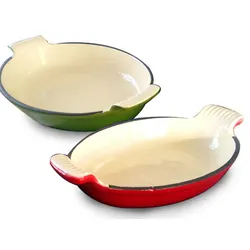
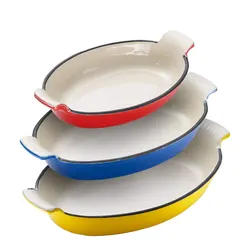
The traditional approach to cast iron was simple seasoning, but modern culinary demands have pushed the industry toward enamel coatings. Enamel provides a non-reactive surface, which is crucial when cooking batters that may contain acidic ingredients or when the operator wants to avoid the time-consuming process of re-seasoning.
Colorful enamel not only adds aesthetic value for "open-kitchen" concepts but also creates a more consistent release surface. The challenge for manufacturers is ensuring the enamel bonds perfectly to the iron to prevent chipping under extreme thermal cycling.
Recent trends also show an increase in pre-seasoned "black" cast iron for those who prefer the natural non-stick properties of polymerized oil. Both methods serve different market segments: the enamel for ease and hygiene, and the seasoned iron for traditionalists and high-heat searing.
Selection Framework for High-Volume Use
Choosing the right pan requires a balance between heat response and total heat capacity. For a small home kitchen, a lighter cast iron may suffice, but for a professional environment, a heavier wall thickness is preferred to maintain a constant temperature across multiple batches.
One must also consider the stove type. While cast iron is generally compatible with all heat sources, the flat bottom of a high-quality pan is essential for maximizing contact with induction surfaces, ensuring no energy is wasted.
The following framework provides a comparison of selection factors based on the intended usage scenario, helping buyers differentiate between consumer-grade and industrial-grade equipment.
| Selection Factor | Home Cooking | Bistro/Cafe | Industrial Catering |
|---|---|---|---|
| Thermal Mass | Moderate | High | Very High |
| Surface Finish | Seasoned/Enamel | Enamel Preferred | Industrial Enamel |
| Weight Class | Light-Medium | Heavy | Extra Heavy Duty |
| Cycle Frequency | Occasional | Daily/High | Continuous |
| Maintenance | Manual Wash | Commercial Wash | Deep Industrial Clean |
| Recovery Rate | Low Priority | Medium Priority | Critical Priority |
Questions & Answers
Cast iron's superior heat retention ensures that the edges of the batter sear immediately upon contact with the pan. This rapid setting of the "skin" creates a structural shell that holds the sphere's shape as the interior cooks. Unlike aluminum, which can lose heat quickly when batter is added, cast iron maintains a constant temperature, allowing for a smooth, consistent rotation without the batter collapsing.
It depends on the operational priority. Enamel is superior for those seeking a non-reactive surface that is easier to clean and does not require the maintenance of seasoning. It is ideal for commercial kitchens prioritizing hygiene and speed. Traditional seasoning, however, is often preferred by enthusiasts who want a completely natural surface and the ability to use very high heat without worrying about the coating's limits.
Yes, cast iron is naturally ferromagnetic, making it highly compatible with induction cookers. To ensure the best performance, it is important to select a pan with a precision-machined flat bottom. This maximizes the surface area contact with the induction coil, leading to more efficient energy transfer and more even heating across all the cavities of the pan.
Sticking usually occurs due to two reasons: insufficient preheating or inadequate lubrication. Cast iron must be heated slowly and evenly to ensure the pores of the metal are expanded and the seasoning is active. Additionally, a thin layer of oil or butter is necessary in each cavity to create a barrier between the batter and the metal, facilitating the rotation process.
When properly maintained, a cast iron pan can last for decades. In a commercial setting, the lifespan depends on the surface treatment. Seasoned iron can be restored indefinitely through re-seasoning. Enameled pans last significantly longer than Teflon-coated options, though they can be susceptible to chipping if subjected to extreme physical impact. Overall, they represent a long-term asset rather than a consumable tool.
For seasoned pans, avoid harsh soaps and abrasive scrubbers; instead, use hot water and a nylon brush, followed by a light coat of oil. For enameled pans, mild detergents and soft sponges are recommended. The most critical rule for both types is to avoid "thermal shock"—never plunge a scorching hot pan into cold water, as this can cause the iron to warp or the enamel to crack.
Final Thoughts
The transition from basic cookware to specialized tools like the cast iron aebleskiver pan represents a commitment to culinary precision. By leveraging the inherent thermal properties of iron, chefs can achieve a level of consistency and texture that is simply unattainable with lighter materials.
As the market moves toward a hybrid of traditional craftsmanship and industrial automation, the focus remains on the intersection of material science and user experience. Whether for a home enthusiast or a high-volume commercial kitchen, the investment in high-density cast iron is an investment in the reliability and quality of the final dish.