Oct Back to list
Cast Iron Skillet Thermal Physics and Manufacturing Specifications
Selecting a high-performance skillet often comes down to a trade-off between heat retention and ease of handling. While stainless steel and non-stick pans have their place, the industrial-grade stability of cast iron remains the benchmark for searing and slow-cooking.
Modern kitchen requirements have evolved, shifting the focus toward cookware that balances traditional durability with ergonomic improvements. The integration of specialized pouring nozzles and heat-resistant handles is transforming how these heavy-duty tools are used in both professional and home environments.
Whether you are optimizing a commercial kitchen or upgrading a home setup, understanding the technical nuances of a cast iron skillet can significantly impact cooking consistency and safety.
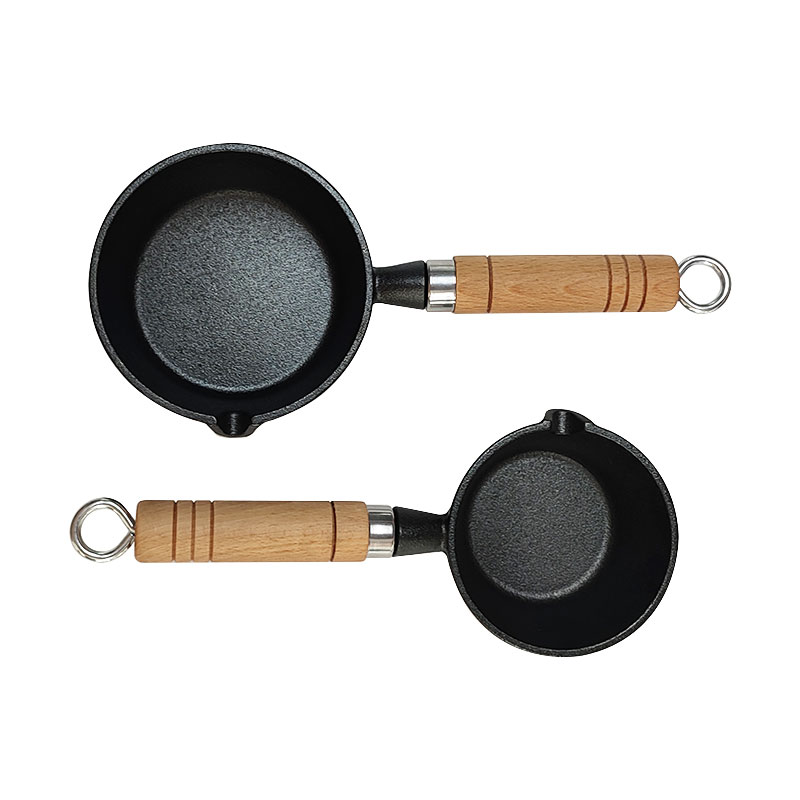
Thermal Physics of Cast Iron

The core advantage of cast iron lies in its high thermal mass. Unlike thin aluminum or steel, a thickened bottom allows the pan to absorb a significant amount of energy, which prevents the temperature from dropping sharply when cold ingredients are added.
This "temperature locking" effect ensures a consistent sear across the entire surface. By radiating heat evenly, the pan eliminates the hot spots typically found in lower-density cookware, making it an essential tool for high-heat applications.
Engineering the Non-Stick Surface
Traditional cast iron requires a rigorous seasoning process to create a polymerized layer of oil. Modern manufacturing has refined this by incorporating safe, non-stick coating surfaces that prioritize human health and environmental safety. These surfaces provide immediate functionality without the steep learning curve of traditional seasoning.
A unique characteristic of high-quality cast iron is its ability to improve over time. Through the process of "boiling" and repeated use, the surface develops an organic non-stick quality. The more the pan is used, the more the surface matures, enhancing the release of food and the ease of cleaning.
This dual-approach—initial protective coating combined with long-term seasoning potential—ensures that the cookware remains efficient for decades. It bridges the gap between the convenience of modern non-stick pans and the lifelong durability of heritage ironware.
The Utility of Precision Pouring
Liquid management is one of the most frequent frustrations when using heavy skillets. Traditional straight-edged pans often lead to spills or oil dripping down the sides of the pan during transfer. The introduction of a single pour nozzle addresses this mechanical inefficiency.
The precision-engineered spout directs sauces and oils smoothly, acting as a filter that allows clear liquids to pour while retaining herbs and solids within the pan.
This design is particularly critical during deglazing or when separating fat from drippings. By providing a controlled, drip-free experience, the nozzle enhances both the presentation of the final dish and the cleanliness of the cooking environment.
Heat Retention vs. Responsiveness
When evaluating cookware, it is essential to distinguish between heat conductivity (how fast it heats up) and heat retention (how long it stays hot). Cast iron excels in retention, which is why it is preferred for searing steaks or baking cornbread.
To visualize the performance of different materials, we can look at a relative value index based on typical kitchen performance metrics including heat stability, durability, and maintenance requirements.
Figure 2. Cookware Material Performance Index
Operational Scenarios and Compatibility
One of the primary reasons for the versatility of a modern cast iron skillet is its universal compatibility. These pans are engineered for use across gas stoves, induction cookers, and even open fires. This makes them the only viable option for chefs who transition between a precision indoor kitchen and an outdoor grill.
In a typical industrial or high-volume setting, the ability to move a pan from the stovetop directly into a high-temperature oven without worrying about material degradation is a critical efficiency gain. This seamless transition is supported by the dense iron core, which maintains structural integrity under extreme thermal stress.
Ergonomic Evolutions in Handle Design
The historical drawback of cast iron has always been its weight and the tendency of metal handles to conduct heat rapidly. To solve this, the integration of wooden handles has become a strategic design choice. Wood acts as a natural insulator, remaining cool to the touch even when the pan is searing at high temperatures.
Beyond safety, wooden handles provide a secure, ergonomic grip that reduces slippage during tossing or pouring. Unlike synthetic plastics that may warp or degrade under high heat, high-quality wood develops a patina over time, increasing its rustic aesthetic and durability.
This combination—the thermal mass of the iron core and the insulation of the wooden handle—creates a tool that is durable enough for decades of use but comfortable enough for daily manual handling without the constant need for oven mitts.
Comparative Selection Framework
Choosing the right cookware requires an analysis of trade-offs. For those prioritizing rapid temperature changes (like melting butter), aluminum is superior. However, for those prioritizing heat stability and longevity, cast iron is the clear winner.
When evaluating different types of ironware, such as enameled vs. seasoned, the decision should be based on the intended application. Enameled pots are ideal for acidic sauces, while seasoned skillets are better for high-heat searing and frying.
The following framework provides a relative suitability assessment based on different cooking requirements and material properties.
| Scenario | Heat Stability | Handling Ease | Recommended Material |
|---|---|---|---|
| High-Heat Searing | Exceptional | Moderate | Cast Iron |
| Rapid Temp Change | Low | High | Aluminum |
| Acidic Slow Cooking | High | Moderate | Enameled Iron |
| Precision Sautéing | Moderate | High | Stainless Steel |
| Outdoor Camping | High | Moderate | Cast Iron |
| Daily Breakfast | Moderate | High | Non-Stick Coated |
Questions & Answers
The non-stick property comes from polymerization. When fats or oils are heated to their smoke point, they bond chemically to the iron surface, creating a hard, plastic-like layer. Regular use and the addition of oil during cooking build this layer, filling the microscopic pores of the iron and creating a smoother surface that prevents food from adhering.
While wood is heat-resistant and an excellent insulator for stovetop use, it has limits. Most wooden handles are suitable for moderate oven temperatures, but they should not be exposed to extreme direct flame or ultra-high oven heat for prolonged periods, as this can cause the wood to dry out or crack. Always check the specific temperature rating of the handle.
The pour nozzle eliminates the "rim-drip" common in standard skillets. By concentrating the flow of liquid into a tapered spout, it allows for precise pouring of pan sauces, oils, and deglazing liquids. Additionally, it helps in filtering out large food particles, ensuring that only the clear liquid is transferred to the plate or container.
Yes, cast iron is naturally ferromagnetic, making it highly compatible with induction cookers. Because of its flat bottom and high magnetic permeability, it creates an efficient circuit with the induction coil, allowing for rapid and even heating across the base of the pan.
A thickened bottom increases the thermal mass of the pan. This means the skillet can store more heat energy, which prevents the surface temperature from dropping when you add a cold piece of meat. This results in a better sear (Maillard reaction) and more consistent heat distribution across the cooking surface.
To maintain the non-stick surface, avoid using metal scrapers or abrasive steel wool, which can scratch the coating. Use silicone or wooden utensils. After washing with mild soap and water, dry the pan immediately and apply a very light layer of cooking oil to protect the surface from moisture and oxidation.
Final Thoughts
The evolution of the cast iron skillet from a rustic campfire tool to a precision-engineered kitchen instrument reflects a broader trend in cookware: the merging of heritage durability with modern ergonomics. By addressing the traditional pain points—such as heat conduction in handles and messy pouring—manufacturers have made cast iron more accessible to a wider range of users.
Ultimately, the value of cast iron lies in its reliability. When you invest in a pan with a thickened base, a safe non-stick surface, and an ergonomic handle, you are acquiring a tool that not only improves the quality of your food through superior thermal management but also lasts for generations.