Oct Back to list
Cast Iron Skillet Manufacturers Manufacturing Performance Analysis
Selecting a professional cookware partner involves more than comparing catalogs; it requires an understanding of how casting precision and material science impact the final culinary result. For businesses sourcing heavy-duty kitchenware, the distinction between generic casting and precision engineering is where longevity and performance are decided.
The current shift in the culinary market shows a renewed preference for materials that offer high thermal mass and stability. Whether it is for high-volume restaurant kitchens or specialized retail lines, the demand for cookware that balances traditional durability with modern maintenance ease—such as advanced enamel coatings—is driving new standards across the supply chain.
To navigate this landscape, buyers must evaluate cast iron skillet manufacturers based on their technical certifications, production automation, and ability to customize specifications for diverse global markets.
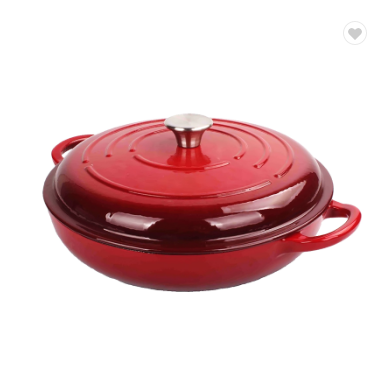
Evolution of Cast Iron Manufacturing

The transition from artisanal sand casting to automated vertical parting-type injection molding has redefined the consistency of cast iron cookware. Modern facilities now employ high-mechanization degrees to eliminate the porosity and uneven wall thickness that historically plagued lower-grade ironware.
By utilizing digital display hydraulic testing and spectrometers, manufacturers can now ensure the metallurgical composition of the iron is optimized for both heat conductivity and structural integrity, allowing for products that withstand extreme temperature fluctuations without cracking.
Technical Parameters of Thermal Retention
The primary technical advantage of cast iron lies in its volumetric heat capacity. Unlike aluminum or stainless steel, cast iron absorbs a significant amount of thermal energy and releases it slowly and evenly. This characteristic is critical for searing proteins and maintaining stable temperatures during slow-cooking processes.
From a design perspective, the geometry of the vessel—such as the depth of a Cast Iron Stock Pot or the wide base of a Cast Iron Skillet—determines the evaporation rate and heat distribution. A shallower profile, found in casserole dishes, encourages moisture evaporation and creates the Maillard reaction more effectively for roasting.
Precision in the cooling process during manufacturing prevents internal stresses in the metal. When combined with a professional seasoning or enamel process, the resulting surface becomes an efficient medium for heat transfer from the hob to the food, minimizing hot spots that often occur in thinner cookware.
The Impact of Enamel Integration
Enameling represents a fundamental shift in how cast iron is maintained and used. By fusing a glass-like layer to the iron surface, manufacturers create a non-reactive barrier that solves the two biggest challenges of traditional iron: rust and chemical reactivity with acidic ingredients.
Enamel coating eliminates the need for periodic re-seasoning and allows the use of acidic bases—such as tomato or citrus—without the risk of metallic flavor transfer or surface degradation.
This technology is particularly beneficial for the production of Enamel Pots and double-ear stew pots, where moisture retention is key. The impermeable surface ensures that flavors remain pure and the cleaning process is simplified, making professional-grade results accessible to high-volume environments.
Production Capacity and Scaling Indices
For global distributors, the ability of a manufacturer to scale production without sacrificing quality is a primary risk factor. Scaling is achieved through the integration of multiple production lines—such as dedicated vegetable oil seasoning lines and enamel lines—to ensure that diverse product categories can be produced simultaneously.
Evaluating a partner involves analyzing their annual output capacity and their adherence to international safety standards. Certifications like ISO9001, FDA, and LFGB serve as proxies for quality control consistency in high-volume casting environments.
Figure 2. Relative Performance Index of Cookware Materials
Operational Application Scenarios
In professional culinary settings, the choice of vessel is dictated by the specific thermodynamic requirement of the dish. For instance, a shallow cast iron casserole is ideal for gratins or paella, where a wide surface area allows for rapid moisture evaporation and uniform browning of the base.
Conversely, for nutrient-rich bone broths, the heavy lid of a Cast Iron Stock Pot creates a tight seal, preventing the loss of aromatic compounds. This versatility allows a single material—cast iron—to serve multiple functions from high-heat searing to low-temperature simmering.
Market Shifts toward Sustainable Durability
There is a growing industry movement away from disposable non-stick coatings toward "lifetime" cookware. Cast iron, by its nature, fits this sustainability profile, as it is virtually indestructible when properly maintained.
The integration of customized packaging and gift-design options suggests a shift in how these products are marketed—moving from basic utility to premium lifestyle assets. This evolution requires manufacturers to focus not only on the metallurgy but also on the aesthetic finish and brand presentation.
Looking forward, the challenge for the industry lies in reducing the weight of traditional cast iron without compromising its thermal properties, potentially through new alloys or refined casting techniques that optimize thickness.
Manufacturer Evaluation Framework
When auditing potential partners, buyers should look beyond the surface finish. A robust evaluation focuses on the manufacturing infrastructure, such as the presence of CNC lathes and automatic casting machines, which ensure a low defect rate.
Another critical factor is the compliance with food safety standards across different regions. For example, a manufacturer certified by both the FDA and KFDA demonstrates a capacity to meet the stringent safety requirements of both North American and Asian markets.
Finally, the ability to provide customized logos and colors indicates a level of flexibility in production that is essential for private label brands. The following framework illustrates the typical trade-offs between different cast iron finishes.
| Treatment Type | Maintenance Level | Chemical Reactivity | Primary Use Case |
|---|---|---|---|
| Traditional Seasoned | High (Re-oiling) | Reactive to Acid | High-Heat Searing |
| Single-Layer Enamel | Low (Soap & Water) | Non-Reactive | General Stewing |
| Double-Layer Enamel | Very Low | Non-Reactive | Professional Braising |
| Vegetable Oil Pre-set | Medium | Reactive to Acid | Retail Consumer Entry |
| Custom Matte Finish | Medium | Varies by Coating | Boutique Kitchenware |
| Industrial Grade Bare | High | Highly Reactive | Heavy Industrial Cooking |
Questions & Answers
Seasoned cast iron relies on a layer of polymerized oil to create a natural non-stick surface, requiring regular maintenance and care to avoid rust. Enameled cast iron features a fused glass coating that is naturally non-reactive, rust-resistant, and easy to clean, making it ideal for cooking acidic foods without the need for seasoning.
High-quality cast iron is universally compatible. It works efficiently on gas, electric, ceramic, halogen, and induction hobs. Additionally, because it can withstand extreme temperatures, it is perfectly safe for use in ovens and even over open flames in outdoor cooking environments.
A shallow casserole dish is designed for recipes that require higher evaporation rates and more surface contact, such as roasting vegetables or baking gratins. A deep pot, such as a stock pot, is engineered for moisture retention and slow simmering, which is essential for soups and bone broths.
To preserve the longevity of the enamel finish and prevent chipping, it is highly recommended to use wooden, silicone, or nylon utensils. While the enamel is durable, metal tools can cause scratches or chips over time, which may compromise the non-reactive surface.
For global trade, ISO9001 ensures quality management systems are in place. Food safety certifications like FDA (USA), KFDA (Korea), and LFGB (Germany) are essential to ensure the materials used in casting and enameling are safe for food contact and free from harmful contaminants.
The most critical step is ensuring the cookware is completely dry before storage to prevent oxidation. For seasoned iron, applying a very light layer of oil helps protect the surface. For enameled pieces, storing them with a slightly ajar lid allows for airflow and prevents moisture buildup.
Final Thoughts
The value of professional cast iron cookware lies in the intersection of traditional thermal physics and modern manufacturing precision. By prioritizing technical certifications and automated production processes, businesses can ensure they procure products that deliver consistent performance across diverse culinary applications.
As the market continues to trend toward sustainability and long-term durability, the role of specialized cast iron skillet manufacturers becomes central to providing the tools necessary for high-standard gastronomic results.