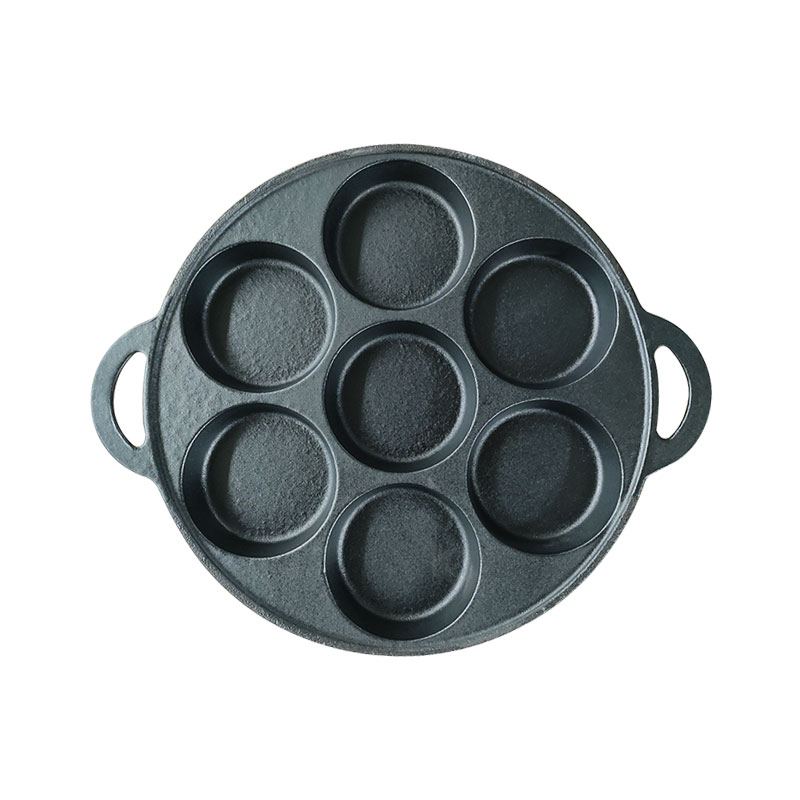

High Quality Pre-Seasoned Cast Iron Cookware Nonstick Cake Mould Pan/ Egg Frying Pot
Made from cast iron with a cast iron enamel coating, available in customizable colors. Supplied in a brown box or color box. Origin: Hebei, China; packing port: Tianjin Xingang; supply capacity: 300,000 pieces/year; sample lead time: 5 days (free), bulk lead time: 20 days.
1. Non-stick cooking surface. More healthy choice with no harm to the human body. Environmental protection and safety.
2. Cast-iron pans develop improved non-stick performance after boiling and further use; the longer they are used, the more non-stick they become.
3. General use for gas cookers, induction cookers, and open fire, etc. Easy to use.
4. Thicker pan bottom for better temperature locking and even heating.
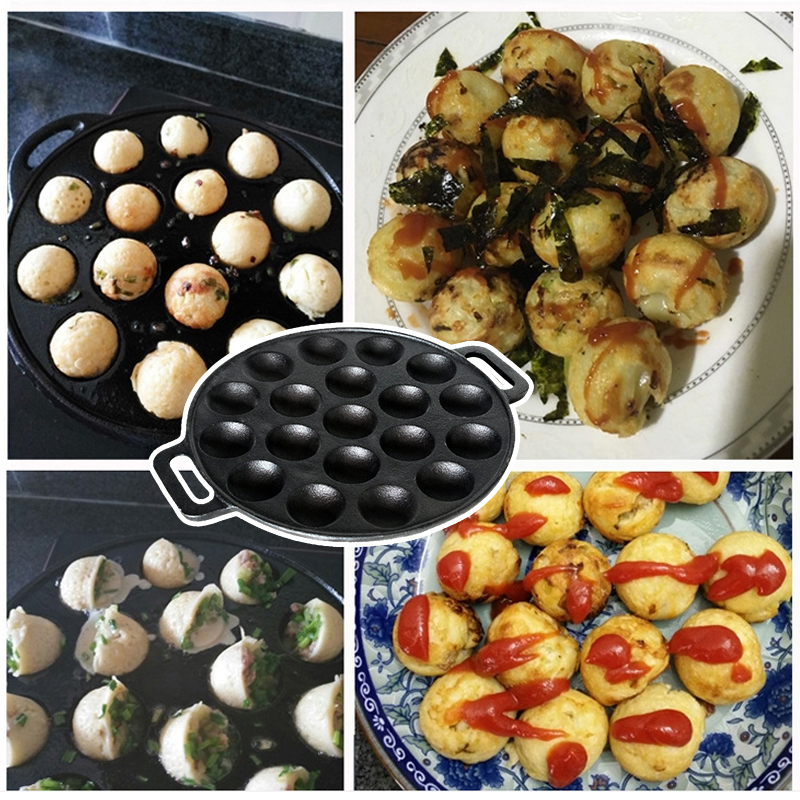
Bake Healthier with a Naturally Non-Toxic Cast Iron Cake Pan
Cast iron is free from synthetic non-stick coatings (e.g., PTFE or PFOA), making it a safer choice for health-conscious bakers. When properly seasoned, it requires minimal oil, helping to reduce fat content without compromising texture. The iron content may also leach into food in trace amounts, which can be a dietary advantage. Unlike ceramic or coated pans, cast iron does not degrade at high temperatures, helping ensure that no harmful chemicals seep into your baked goods. For clean, guilt-free desserts, this pan is a kitchen essential.
Outdoor Baking: Use a Cast Iron Cake Pan Over a Campfire or Grill
Cast iron’s durability makes it ideal for outdoor baking. Place the pan over indirect campfire coals or on a grill grate. Use a lid or foil to trap heat and promote even cooking. For campfire cakes, preheat the pan and monitor the temperature with a handheld thermometer. The heavy material helps prevent scorching and creates oven-like results. From skillet brownies to Dutch oven cakes, this pan turns rustic settings into a baker’s paradise with minimal equipment.
Cleaning and Seasoning Your Cast Iron Egg Frying Pan for Long Service Life
After use, clean the pan while warm (not hot) with hot water and a stiff brush; avoid soap to preserve the seasoning. For stubborn residue, use coarse salt as a scrub. Dry thoroughly, then apply a thin layer of oil (e.g., flaxseed or vegetable oil) over the entire surface, including compartments. Heat the oiled pan upside down in a 375°F (190°C) oven for 1 hour to polymerize the seasoning layer. Re-season monthly or after cooking acidic foods (such as tomatoes). This routine helps prevent rust and maintains a smooth, non-stick cooking surface for effortless egg release.