Oct Back to list
cast iron casserole dish thermal performance analysis
Selecting the right cookware for slow-cooking and braising often comes down to a choice of thermal mass and surface stability. For those managing large-batch meals or complex holiday recipes, the thermal properties of heavy-duty iron provide a level of consistency that thinner alternatives cannot match.
The shift toward enameled surfaces has addressed the traditional maintenance burdens of raw iron, combining the heat retention of the metal with a non-reactive, easy-to-clean glass coating. This evolution allows home cooks to move seamlessly from high-heat searing on a stovetop to long-duration roasting in the oven.
Understanding the technical nuances of a cast iron casserole dish is essential for optimizing heat distribution and ensuring food safety across different cooking platforms, from induction to open flames.
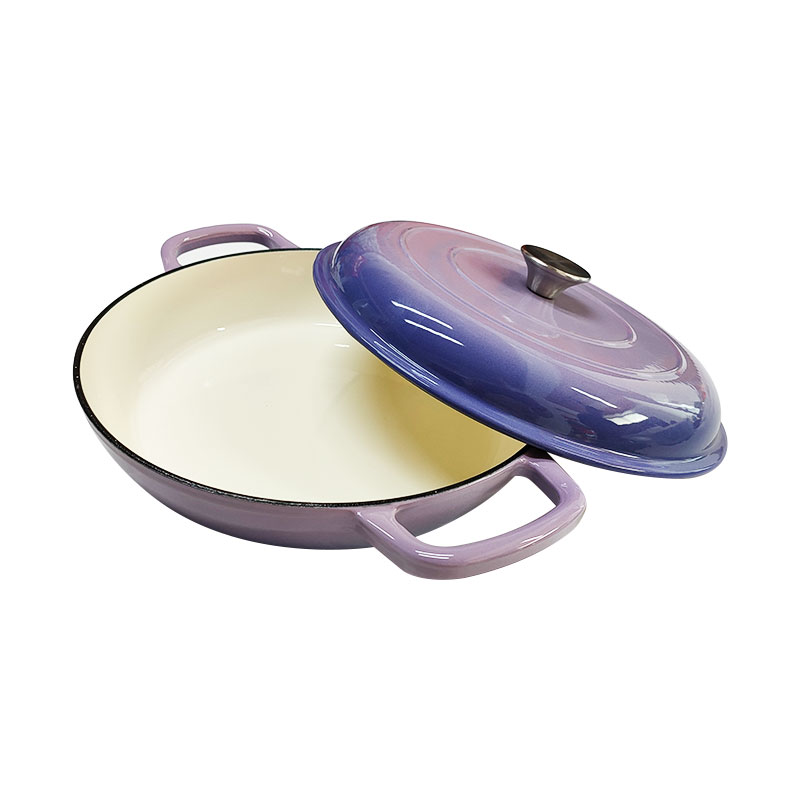
Thermal Dynamics of Heavy-Bottom Cookware
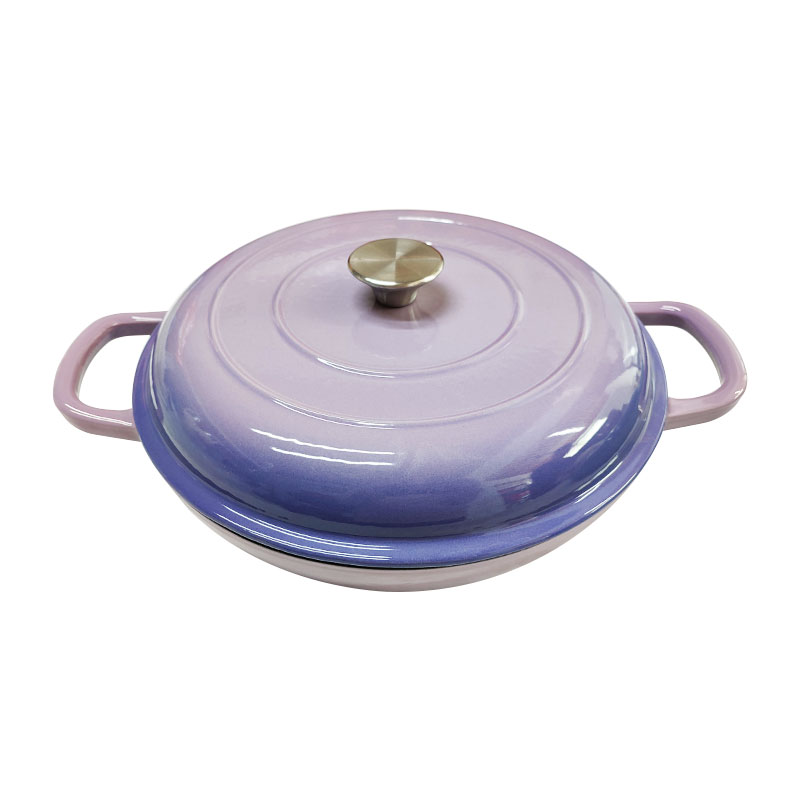
The primary advantage of cast iron lies in its high volumetric heat capacity. By thickening the bottom of the pan, manufacturers can create a thermal reservoir that "locks" the temperature, preventing the sharp drops that occur when cold ingredients are added to the pot.
This stability is critical for searing meats and reducing sauces without creating hot spots that lead to burning. The dense molecular structure of the iron ensures that heat is conducted evenly from the base up through the sidewalls, creating a consistent cooking environment.
Enamel Coating vs. Traditional Seasoning
Traditional cast iron relies on polymerization—creating a "seasoning" layer of carbonized oil—to achieve non-stick properties. While effective, this requires constant maintenance and is reactive to acidic foods like tomatoes or wine. Enamel, a fused glass coating, provides a non-reactive barrier that eliminates the need for seasoning while maintaining the iron's thermal benefits.
Modern enamel finishes are designed to resist scratches and fading, allowing the cookware to maintain vibrant colors over years of use. This makes the cookware not only a functional tool but a design element in the kitchen, bridging the gap between rugged utility and sophisticated presentation.
From a safety perspective, high-quality enamel coatings are environmentally friendly and non-toxic. They provide a smooth, non-stick surface after the initial heating process, and unlike some chemical coatings, the durability of the enamel ensures that the cooking surface remains healthy for the user over the long term.
The Role of Lid Geometry in Moisture Control
The effectiveness of a casserole dish is heavily dependent on the seal between the pot and its lid. In slow-cooking applications, the goal is to minimize excessive evaporation, forcing moisture to condense on the lid and drip back into the food.
A tight-fitting, heavy lid transforms a standard pot into a pressure-assisted environment, which is essential for breaking down tough connective tissues in meats like beef bourguignon or coq au vin.
This self-basting mechanism ensures that ingredients cook down in their own juices, intensifying flavors and preventing the food from drying out during long oven durations. The weight of the iron lid further secures this seal, ensuring a stable internal atmosphere.
Performance Index Across Heat Sources
Versatility is a key requirement for modern cookware. Cast iron's magnetic properties make it inherently compatible with induction cookers, while its high melting point allows it to be used over open fires. This flexibility is crucial for chefs who transition between different kitchen environments.
When evaluating performance, we look at how efficiently the material absorbs energy and how long it retains that energy after the heat source is removed. This "thermal lag" is what allows a casserole dish to keep food warm on the table long after it has left the stove.
Figure 2. Relative Thermal Efficiency Index
Application in High-Volume Family Cooking
For those preparing large-batch dinners, the spacious interior of an enamel cast iron vessel is an operational necessity. Because the heat distribution is so uniform, larger quantities of food do not suffer from the "center-cold" effect common in thinner pots, ensuring that every portion is cooked equally.
The transition from stove-to-oven is another critical factor for family efficiency. By browning proteins on the stovetop and finishing the dish in the oven, cooks can develop complex flavors with minimal active labor. This streamlined workflow is particularly valuable during holiday seasons when kitchen logistics are under pressure.
Future Trends in Cast Iron Metallurgy
The industry is moving toward a balance of weight reduction and thermal efficiency. While the mass of the iron is what provides the benefit, advancements in precision casting allow for optimized wall thickness—maintaining heat retention while reducing the physical strain on the user.
Sustainability is also driving innovation in enamel production. The shift toward lead-free and cadmium-free glazes, combined with automated production lines, ensures that the environmental footprint of manufacturing is reduced without compromising the durability of the final product.
As consumer preferences shift toward "one-pot" cooking for health and convenience, the demand for multipurpose vessels—such as those that can function as both a stock pot and a baking dish—is increasing. This requires a deeper focus on the compatibility of enamel with high-temperature oven cycles.
Selection Framework for Professional Results
When selecting a cast iron vessel, buyers should prioritize the thickness of the base and the precision of the lid fit over purely aesthetic considerations. A vessel that lacks a thick bottom will struggle to maintain temperature, leading to uneven cooking in large batches.
Comparing enamel and raw cast iron requires an understanding of the intended use. While raw iron is superior for high-heat searing and lifelong "growth" of the non-stick surface, enamel is the correct choice for acidic stews and those seeking a low-maintenance, presentation-ready piece.
The following framework outlines the relative suitability of different cast iron configurations based on typical kitchen requirements.
| Scenario | Material Choice | Key Requirement | Suitability Index |
|---|---|---|---|
| Slow Braising | Enameled Iron | Tight Lid Seal | High |
| High-Heat Searing | Seasoned Iron | Thermal Mass | High |
| Acidic Stews | Enameled Iron | Non-Reactive Surface | High |
| Induction Cooking | Cast Iron | Ferromagnetic Base | High |
| Quick Sautéing | Thin-Wall Iron | Rapid Heat-up | Medium |
| Oven Finishing | Enameled Iron | Heat Distribution | High |
Questions & Answers
Unlike standard stainless steel or aluminum pots, an enamel cast iron dish possesses significantly higher thermal mass. This allows it to retain heat for much longer and distribute it more evenly, preventing hot spots. Additionally, the enamel coating provides a non-reactive surface that is safe for acidic ingredients and requires no chemical seasoning, making it more versatile for a wide range of recipes.
Yes, cast iron is inherently ferromagnetic, which is the primary requirement for induction heating. The enamel coating does not interfere with the magnetic connection between the cooktop and the pan. As long as the base is flat, an enamel cast iron casserole dish will work efficiently on induction, gas, and electric stoves, as well as over open fires.
While enamel is naturally smoother than raw iron, the best way to maintain its performance is to avoid abrasive metal scrubbers that can scratch the glass finish. Using silicone or nylon tools is recommended. Furthermore, avoiding "thermal shock"—such as plunging a scorching hot pot into ice-cold water—prevents the enamel from cracking or chipping over time.
A heavy lid creates a more effective seal, which is crucial for the "self-basting" process. It prevents steam from escaping too quickly, ensuring that moisture condenses and returns to the food. This results in more tender meats and more concentrated flavors, especially during low-and-slow cooking processes that last several hours in the oven.
One of the greatest technical advantages of cast iron is its high heat tolerance. You can safely brown meat or sauté aromatics on the stove and then move the entire vessel into the oven for roasting or braising. This reduces the number of dishes used and ensures a continuous cooking process without the need to transfer food to a separate baking dish.
Prioritize the weight and thickness of the base; a heavier bottom indicates better temperature locking. Check the fit of the lid to ensure it sits flush against the rim. Finally, verify that the enamel is food-safe and certified (such as FDA or LFGB), which ensures the coating is durable and free from harmful substances.
Final Thoughts
The endurance of cast iron in the modern kitchen is a testament to its fundamental thermal advantages. By integrating advanced enamel coatings and precision casting, manufacturers have evolved the traditional pot into a multipurpose tool that meets the demands of both professional chefs and home cooks.
Investing in a high-quality cast iron casserole dish is not merely a purchase of a tool, but an investment in a cooking method that prioritizes flavor development, heat consistency, and long-term durability.