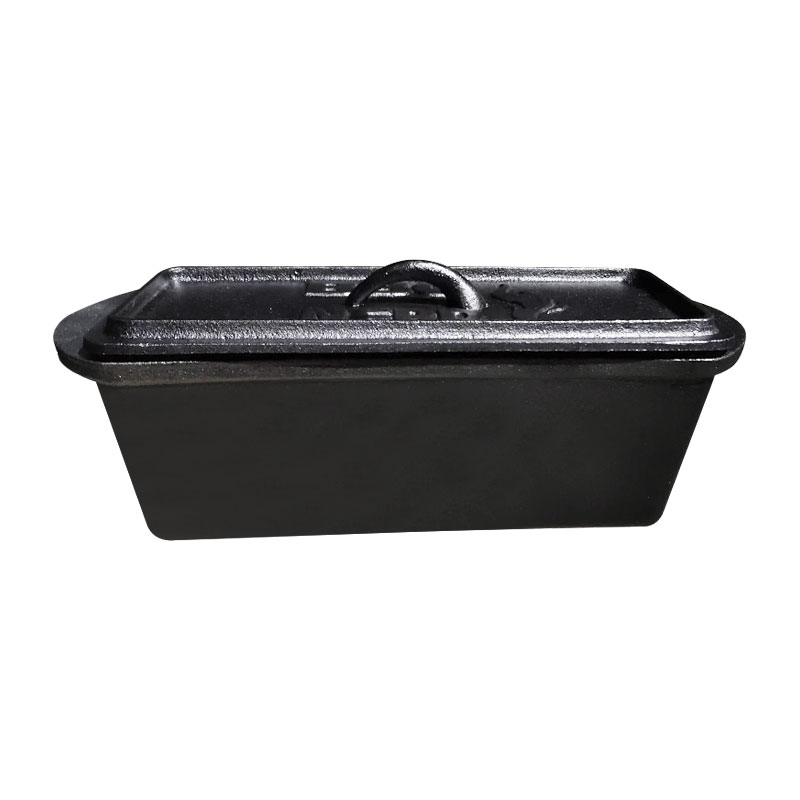

Factory wholesale Pre-seasoned Cast Iron Bread Maker / Bread Pot With Lid
Made from cast iron with a cast iron pre-seasoned coating or a cast iron enamel coating; color and size can be customized. Packaging can also be customized, with sample lead time of 5 days and bulk lead time of 20 days. Samples are free.
1. Non-stick coating cooking surface for healthier cooking—designed for safety and environmental responsibility.
2. Cast-iron pans develop improved non-stick performance after boiling; the longer they are used, the more effective the non-stick coating becomes.
3. General use for gas stoves, induction cookers, open fires, and more—easy to use.
4. Thicker pan base for temperature stability, ensuring even heating.
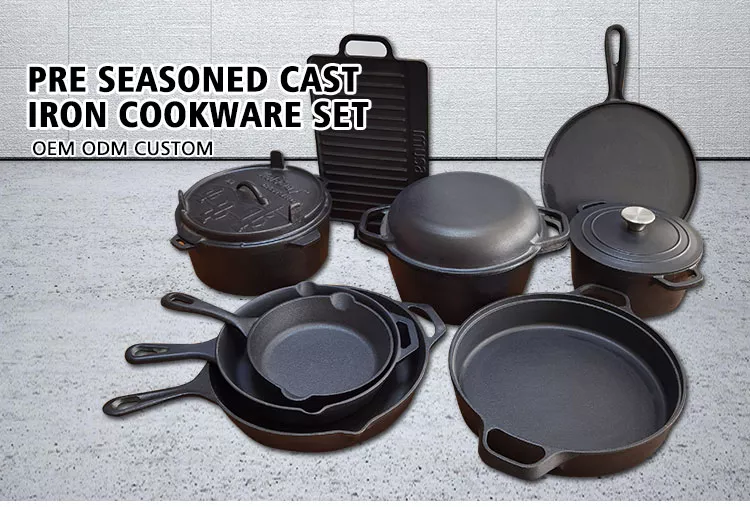
Why Cast Iron Is the Ideal Material for Mini Cookware
Cast iron’s superior heat retention and even heating make it ideal for mini cookware. Unlike thin metals that develop hot spots, cast iron distributes heat uniformly, ensuring consistent results whether you are simmering sauces or searing meats. Its dense structure retains heat exceptionally well, helping keep food warm long after it has been removed from the stove—ideal for small-batch cooking. In addition, cast iron is highly durable and resists warping and scratching that can affect less robust materials. From mini skillets to small Dutch ovens, these compact pieces deliver professional performance with long-lasting reliability.
Enameled vs. Pre-Seasoned Cast Iron Mini Pots: What’s the Difference?
Enameled cast iron features a glass-like coating that helps prevent rust and eliminates the need for seasoning, making it low-maintenance and well-suited for acidic foods such as tomato sauce. Pre-seasoned cast iron is finished with a polymerized oil layer that improves over time; however, it requires occasional re-seasoning to maintain its non-stick performance. Enameled pots provide vibrant color and easy cleaning, while traditional seasoned cast iron develops a richer patina with regular use. Choose enameled for convenience or pre-seasoned if you enjoy the care and maintenance routine associated with cast iron.
The Heat Retention Power of Cast Iron Mini Pots
One of cast iron’s standout qualities is its ability to hold heat steadily, even in small pots. This helps ensure food cooks evenly without sudden temperature fluctuations—ideal for delicate tasks such as melting chocolate or simmering custards. After preheating, a mini cast iron pot stays warm longer than stainless steel or aluminum, making it an excellent choice for serving dips or keeping sauces at the desired temperature. Whether used on the stovetop, in the oven, or over a campfire, its thermal mass supports consistent results every time.
Why a Bread Pot With Lid Is Essential for Artisan-Style Homemade Bread
A lidded bread pot (such as a Dutch oven or a dedicated bread cloche) is the key tool for baking bakery-quality loaves at home. Its enclosed design replicates the steam-injected environment of professional ovens, creating the ideal humid microclimate that supports strong oven spring—the dramatic initial rise that gives sourdough its signature height. The cast iron or ceramic construction absorbs and radiates heat evenly, helping prevent hot spots that can lead to uneven baking. Unlike open baking trays, the lid traps moisture released from the dough, allowing the surface starch to gelatinize and form a crispy, blistered crust. For home bakers aiming for taverna-style ciabatta or crackly baguettes, this tool helps bridge the gap between everyday baking attempts and truly artisanal results.
How the Lid Creates Steam for Perfect Crust in a Bread Baking Pot
Steam is the decisive factor in crust development, and a lidded pot makes it simple. As the dough heats, water vapor rises and condenses on the cooler lid, forming a self-basting steam chamber. This moisture delays crust formation, giving the loaf time to expand fully before the crust sets—especially important for open crumb structures in sourdough or rye. The lid also helps reflect heat downward, supporting even browning while reducing the risk of scorching. When removed partway through baking (typically after about 20 minutes), the sudden drop in humidity helps set the crust quickly, locking in glossy caramelization. Compared with manual steam methods (such as spritzing the oven or using ice cubes), a lidded pot provides more consistent results and avoids temperature swings. With a lidded bread pot, great crust is delivered reliably rather than left to chance.
Dutch Oven vs Bread Pot – Which Is Better for Baking the Perfect Loaf?
Although both tools provide steam-trapping benefits, their design details suit different baking priorities. A Dutch oven (e.g., Le Creuset) offers multipurpose versatility: its wide base works well for round boules or stews, but the taller sides can limit ear development on batards. A dedicated bread pot (such as the Challenger Bread Pan or Emile Henry cloche) is optimized for bread-specific geometry—its shallow, flared walls support consistent browning, and lighter ceramic versions can reduce preheating time. Dutch ovens are especially effective for high-hydration doughs (for example, 80%+ hydration sourdough) due to their strong heat retention, while ceramic bread pots provide gentler, more even heat for delicate pastries. Choose based on your baking style: multitaskers may prefer Dutch ovens, while baking enthusiasts may opt for specialized bread pots.