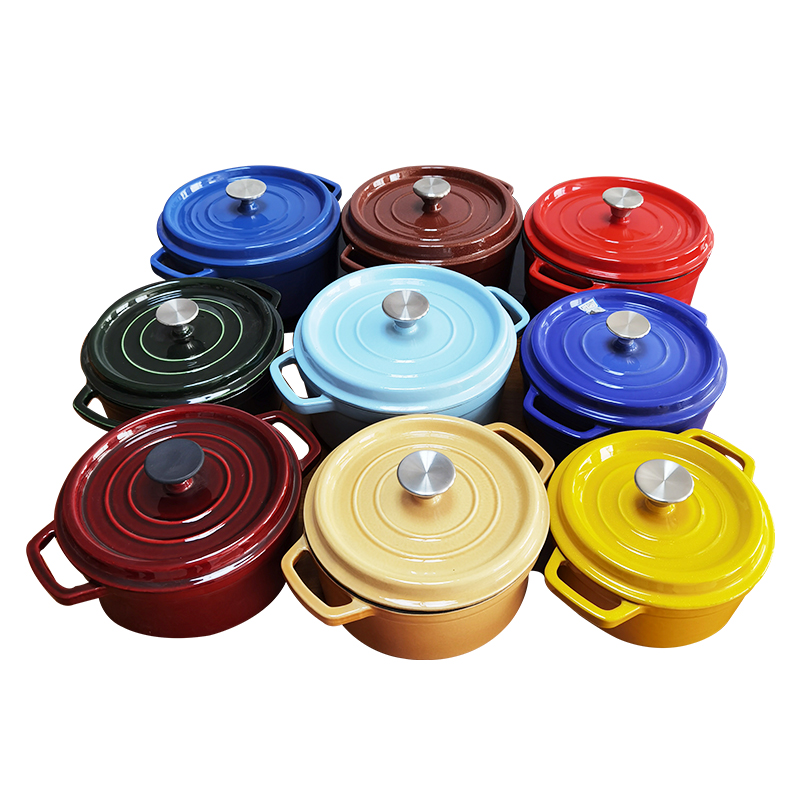

Premium Dutch Oven Non-Stick Casserole Cast Iron Enamel Soup Pots / Frying Pans
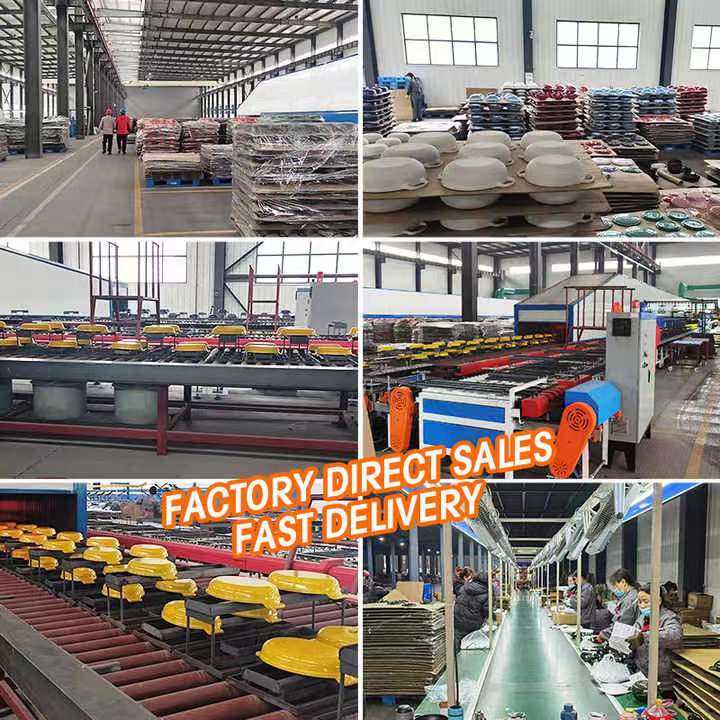
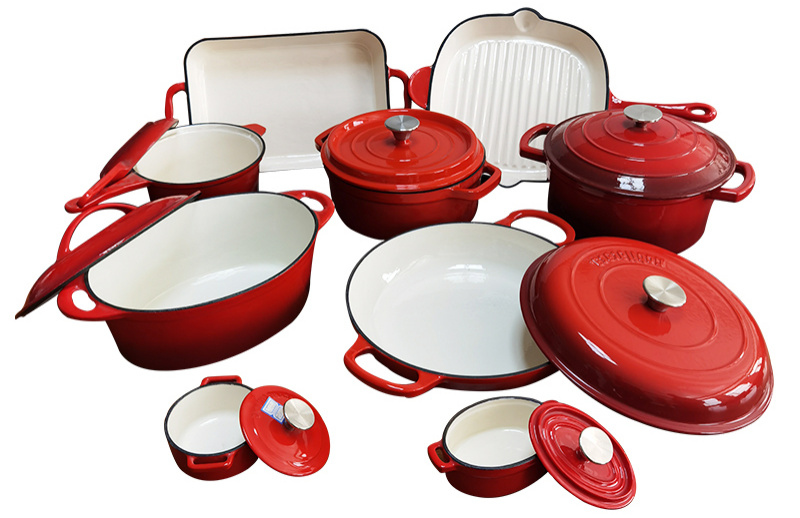
Made from cast iron, with a cast iron pre-seasoned coating or a cast iron enamel coating, in a color that can be customized. Sizes and packaging are available to your specifications. Sample is free and ready in 5 days; bulk orders have a lead time of 20 days.
Heat Retention and Even Cooking: How Dutch Casseroles Improve Your Results
The thick walls and dense base of a Dutch casserole create a stable heat environment, helping to eliminate hot spots that lead to uneven cooking. This is especially beneficial for dishes such as risotto, where consistent heat helps prevent grains from becoming crunchy, and for bread baking, where the pot’s retained warmth supports a baking environment similar to that of a professional oven with steam injection. When frying, the heat buffer promotes an even, golden-brown crust while reducing the risk of burning—ideal for crispy-skinned chicken or Dutch baby pancakes. Thanks to its thermal mass, the pot also keeps food warm for longer, making it well suited for dinner parties and shared meals. Whether you’re slow-cooking beans from scratch or reheating leftovers, this uniform heat distribution delivers restaurant-quality results time after time.
Cast Iron Dutch Oven vs. Stainless Steel Casserole: Which Option Suits You Best?
Your choice should reflect your cooking style and priorities. Cast iron offers excellent heat retention and wide-ranging use, performing strongly in slow braises, baking, and stovetop-to-oven cooking. Its enamel coating simplifies day-to-day maintenance, although it is heavier than stainless steel. Stainless steel, by comparison, is lighter and responds more quickly to temperature changes—making it a practical option for faster processes such as quick sauces or boiling pasta. However, stainless steel does not provide cast iron’s natural non-stick characteristics and may require more oil to reduce sticking. For searing and developing fond, cast iron’s heat density supports superior browning, while stainless steel performs especially well for acidic dishes where reactivity is not a concern. If you value multifunctional performance and deeper flavor development, cast iron is the preferred choice; if speed and straightforward handling are your priorities, consider stainless steel.