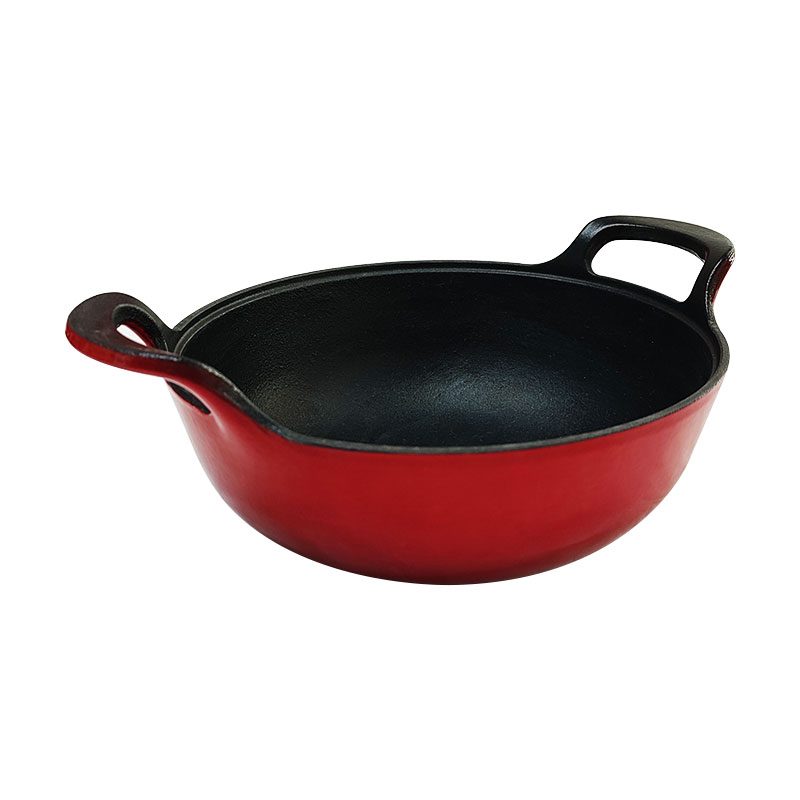

Enamelled Cast Iron Ingot-shaped Cooking Stockpot With Two Handles
Size: 30.5 m × 24 cm × 8.7 cm; weight: 2.4 kg. Coated with enamel and available in customizable colors; packed in a brown box or color box. MOQ is 100 pieces; sample lead time is 7 days and bulk lead time is 20 days; price is $6.9 per piece.
- Product name: Cast iron enamel casserole
- Pot cover: With pot cover
- Design style: Minimalist, Contemporary, Traditional, Classic, Modern, Modern Luxury
- Color: Customized color
- Logo: Customized logo acceptable
- Shape: Round
- Handle: Two ears
Why Every Home Cook Needs an Ingot-Shaped Cast Iron Stockpot
The ingot-shaped cast iron stockpot is a game-changer for home cooks who value both performance and style. Its distinctive rectangular profile increases stovetop contact for efficient heat transfer, while the cast iron construction delivers outstanding heat retention—ideal for long-simmered stocks, broths, and large-batch soups. Unlike conventional round pots, the straight sides and flat base provide more usable cooking space, making it well suited for cooking whole cuts or layering ingredients. The enamel coating (if applicable) supports easy cleaning and helps prevent rust. With an heirloom-quality build, this pot is designed for decades of reliable use. Beyond functionality, the ingot shape creates a bold visual statement, turning practical cookware into a kitchen centrepiece.
Is the Ingot Shape Just for Looks? Functional Benefits of a Unique Stockpot Design
The ingot shape is not only about aesthetics—it also delivers clear cooking benefits. The flat, wide base helps promote even heat distribution across the cooking surface, reducing hot spots that can scorch delicate sauces or stocks. Straight sides make it easier to stack ingredients (such as bones for broth or vegetables for stews), while the compact footprint fits neatly on standard burners. The angular design also makes stirring and skimming more convenient than with round pots, since utensils can reach corners without wasted motion. For smaller stovetops, the efficient geometry maximizes cooking capacity without requiring oversized burners. Whether you’re reducing sauces or braising short ribs, the ingot’s shape supports greater precision and control.
Enamelled Cast Iron vs Stainless Steel: Which Stockpot Is Better for You?
Choosing between enameled cast iron and stainless steel stockpots depends on your cooking style. Enameled cast iron excels in heat retention and even cooking, making it ideal for slow-simmered dishes such as stocks or braises. Its non-reactive surface handles acidic ingredients with ease, while the enamel finish helps resist staining and simplifies cleanup. However, it is heavier and requires careful handling to help avoid chipping. Stainless steel, by contrast, heats up faster and is lighter, making it a strong option for boiling pasta or quick reductions. It is also more resistant to metal utensils and high-heat searing. If you prioritize flavour development and steady temperature control, choose enameled cast iron. If speed and versatility are more important, stainless steel is the better fit. Both materials offer distinct advantages—the right choice comes down to what and how you like to cook.