Nov Back to list
cast iron campfire grill thermal dynamics and manufacturing specifications
Cooking over an open flame requires equipment that can handle extreme heat fluctuations without warping or losing its structural integrity. While lightweight aluminum or thin steel are common in portable gear, they often fail to provide the consistent searing power needed for professional-grade outdoor cuisine.
The shift toward heavy-duty materials in outdoor cooking is driven by a desire for "restaurant-quality" results in rugged environments. This has led to a resurgence in the use of cast iron, specifically designed for the unpredictability of campfire embers and charcoal.
Whether you are upgrading your camping kit or sourcing durable equipment for a commercial outdoor setup, understanding the mechanics of a cast iron campfire grill is essential for maximizing heat efficiency and food safety.
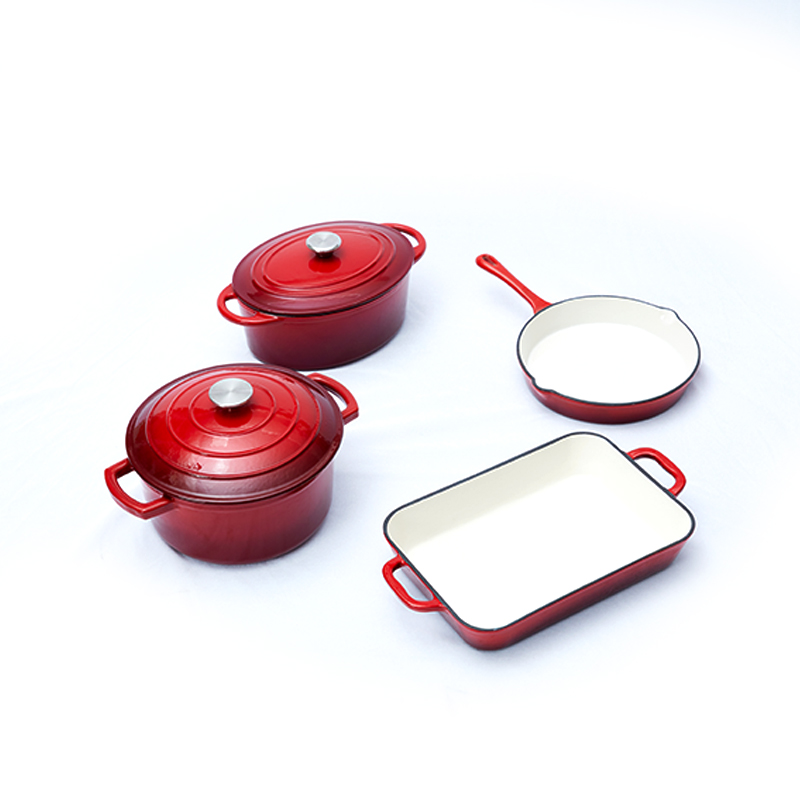
Thermal Dynamics of Heavy Cast Iron

The primary advantage of using cast iron in a campfire setting is its high thermal mass. Unlike thin metals that heat up and cool down rapidly, cast iron absorbs a significant amount of energy and radiates it evenly. This prevents "hot spots" that typically burn food in one area while leaving other parts undercooked.
In an outdoor environment where fire intensity is inconsistent, this thermal stability acts as a buffer. The grill continues to provide high heat even when the flames dip, ensuring that meats are seared correctly and vegetables are caramelized without constant adjustment of the fuel.
Design Logic for Open-Fire Grilling
Designing a grill for the campfire requires a balance between portability and structural rigidity. The geometry of the grate must allow for sufficient airflow from the embers while remaining thick enough to resist warping under intense direct heat. Most professional designs incorporate reinforced ribs or a heavy-gauge frame to maintain flatness over years of use.
Furthermore, the interaction between the grill and the fire pit is critical. Stability is achieved through integrated legs or hooks that prevent the grill from slipping into the coals, which is a common failure point in cheaper, lightweight alternatives. The spacing between the bars is typically optimized to leave distinct sear marks while providing enough surface area to prevent smaller food items from falling through.
From a manufacturing perspective, companies like Hebei Debien Technology use advanced casting lines to ensure that these designs are executed with precision, eliminating air bubbles or casting defects that could lead to structural failure when exposed to the thermal shock of a campfire.
The Role of Material Composition
The performance of any cast iron tool depends heavily on the carbon content and the cooling process during manufacture. High-carbon iron provides the necessary hardness and heat retention, but it must be processed correctly to avoid brittleness.
The critical technical challenge in campfire cookware is balancing raw thermal power with surface protection. While raw cast iron offers the most authentic sear, enameled variants solve the problem of reactivity and rust, making them viable for acidic ingredients in outdoor settings.
For those who prefer a traditional experience, seasoned cast iron creates a natural polymer layer that reduces sticking. However, for modern users, the integration of porcelain enamel coatings provides a non-reactive barrier that eliminates the need for meticulous seasoning, significantly reducing maintenance in the field.
Performance Metrics Across Heat Sources
Evaluating the effectiveness of different materials involves analyzing how they respond to various heat intensities. A heavy cast iron grill typically outperforms stainless steel in heat retention but requires a longer "warm-up" period to reach the desired temperature.
When compared across different fuel types—such as hardwood coals, charcoal briquettes, and propane—cast iron demonstrates the most consistent performance in maintaining a steady temperature, which is illustrated in the relative performance index below.
Figure 2. Material Heat Performance Index
Operational Scenarios and Integration
In a typical outdoor expedition, the grill is often paired with other heavy-duty cookware. For instance, a user might use a cast iron skillet for breakfast and transition to a full-sized campfire grill for dinner. The interoperability of these tools allows for a comprehensive outdoor kitchen that can handle everything from delicate searing to high-volume grilling.
For commercial operators or luxury glamping sites, the focus shifts toward longevity and ease of cleaning. In these settings, enameled cast iron is preferred because it resists absorbing odors and can be wiped clean without the risk of stripping away a seasoned layer, ensuring a hygienic environment for multiple guest uses.
Evolution of Outdoor Cookware Surfaces
The industry has seen a significant transition from raw, seasoned iron to advanced vitreous enamel coatings. Traditional seasoning requires a meticulous process of oiling and heating, which can be cumbersome for the average consumer.
Modern enamel coating transforms the material into a "ready-to-use" tool. By creating a glass-like barrier, it prevents the iron from reacting with acidic foods—such as tomato-based marinades often used in grilling—while maintaining the legendary heat retention of the base metal.
This evolution reflects a broader market trend where users demand the performance of professional gear without the high-maintenance requirements of traditional craftsmanship.
Comparative Framework for Selection
Selecting the right grilling equipment involves analyzing the trade-off between weight, maintenance, and thermal performance. While raw cast iron is the gold standard for sear, enamel is the winner for convenience.
Users must consider their primary environment. For deep-wilderness camping, weight may be a limiting factor, making carbon steel an alternative. However, for established campsites or backyard fire pits, the mass of cast iron is a distinct advantage.
The following table provides a relative assessment of common outdoor grilling materials based on operational requirements.
| Material | Heat Retention | Maintenance | Weight Factor |
|---|---|---|---|
| Raw Cast Iron | Excellent | High (Seasoning) | Heavy |
| Enameled Iron | Excellent | Low (Washable) | Heavy |
| Stainless Steel | Moderate | Low | Medium |
| Carbon Steel | High | Medium | Medium |
| Aluminum | Low | Low | Light |
| Titanium | Very Low | Very Low | Ultra-Light |
Questions & Answers
The primary difference is thermal mass. Cast iron absorbs and holds heat much more effectively than stainless steel, which allows for a more consistent sear and reduces the impact of fluctuating fire temperatures. While stainless steel is lighter and easier to clean, it often develops hot spots and loses heat quickly when cold food is placed on the surface.
Yes, professional-grade vitreous enamel is designed to withstand high temperatures. The coating fuses with the iron, creating a durable surface that prevents rust and food sticking. However, it is important to avoid extreme thermal shock (such as pouring ice-cold water on a red-hot enameled grill), as this can cause the glass-like coating to crack or chip.
It depends on the finish. Raw cast iron requires seasoning—the process of baking oil into the metal—to create a non-stick surface and prevent rust. Enameled cast iron, however, is ready to use out of the box. The porcelain finish acts as a built-in non-stick and rust-proof barrier, eliminating the need for any preparatory oil treatments.
For seasoned iron, use a stiff brush and warm water, avoiding harsh soaps that strip the seasoning. For enameled grills, a mild detergent and a non-abrasive sponge are sufficient. Always dry the equipment immediately after washing to prevent any moisture from causing oxidation on non-coated areas like the joints or handles.
On raw cast iron, highly acidic foods (like lemon or vinegar) can react with the metal and strip the seasoning, potentially leaving a metallic taste. Enameled cast iron is the ideal choice for these ingredients because the enamel creates a non-reactive barrier, allowing you to cook acidic dishes safely without affecting the cookware or the flavor of the food.
Ensure the grill is completely dry before storing. For raw iron, apply a very thin layer of food-grade vegetable oil to the entire surface. For enameled pieces, simply keep them in a dry environment. Storing them in a breathable cloth bag can help prevent moisture buildup while protecting the surface from scratches during transport.
Final Thoughts
The choice of a cast iron campfire grill represents a commitment to quality and thermal efficiency in outdoor cooking. By prioritizing material density and surface engineering, users can achieve professional searing results regardless of the volatility of their heat source.
As the industry moves toward more convenient, enameled solutions, the core value of cast iron—its unmatched heat retention—remains constant. Investing in a well-manufactured piece of cast iron cookware is not just about the current trip, but about acquiring a tool that, with proper care, will last for decades.
- cast iron campfire grill thermal dynamics and manufacturing specifications
- cast iron grill pan thermal dynamics and performance analysis
- cast iron hibachi grill Thermal Dynamics and Manufacturing Specifications
- Cast Iron Skillet Manufacturers Manufacturing Performance Analysis
- cast iron casserole dish thermal performance analysis