Nov Back to list
Cast Iron Dutch Oven Manufacturers Performance Analysis
Selecting a high-performance cooking vessel often comes down to a choice between thermal stability and ease of maintenance. For professional chefs and home enthusiasts alike, the search for reliable cast iron dutch oven manufacturers focuses on the balance between traditional heat retention and modern surface treatments.
The industry has shifted from purely raw seasoned iron to sophisticated enameled and specially coated surfaces that address the common pain points of oxidation and food adhesion. This evolution reflects a broader market demand for cookware that offers the legendary heat mass of cast iron without the steep learning curve of traditional seasoning.
Understanding the manufacturing nuances—from the thickness of the base to the precision of the casting—allows buyers to distinguish between basic utility ware and precision culinary tools. This analysis explores the technical benchmarks and selection logic essential for evaluating modern cast iron production.
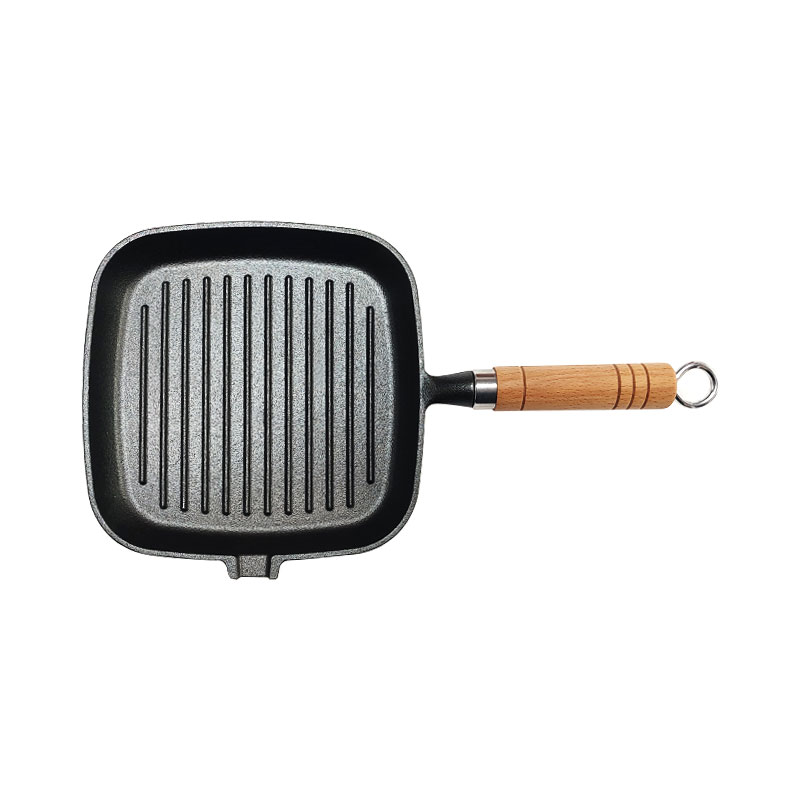
The Physics of Cast Iron Thermal Mass

The primary value of cast iron lies in its high thermal mass, which allows the vessel to absorb and hold significant amounts of energy. Unlike thin-walled aluminum or stainless steel, cast iron minimizes "temperature drops" when cold ingredients are added to the pan, ensuring a consistent sear and reducing the risk of steaming rather than browning.
This property is particularly vital for Dutch ovens and casseroles, where slow-simmering and oven-braising require a steady, unchanging heat environment. The ability to maintain a stable temperature across the entire surface prevents hot spots that lead to localized scorching.
Technical Benchmarks for Quality Casting
Quality in cast iron production is determined by the homogeneity of the metal. Advanced manufacturers utilize automatic vertical parting-type box-free injection molding and precision induction furnaces to eliminate air bubbles and impurities within the iron matrix. This ensures that the wall thickness remains consistent, which is critical for predictable heat expansion.
A key technical detail often overlooked is the base geometry. A thickened bottom is not merely for durability; it serves as a thermal reservoir that "locks" the temperature, providing a buffer against the fluctuations of gas flames or induction pulses. This structural choice is what separates professional-grade equipment from consumer-level pans.
Furthermore, the integration of functional design elements, such as the pour nozzle found in high-end skillets, demonstrates the capability of the casting line. Achieving a precise, angled spout without compromising the structural integrity of the pan requires strict control over the cooling process to prevent warping.
Surface Engineering and Non-Stick Logic
The historical challenge of cast iron has always been its reactive surface. Modern engineering addresses this through two primary paths: high-grade enamel coatings and advanced vegetable oil seasoning processes. Enameled surfaces provide a non-reactive barrier, making them ideal for acidic foods, while seasoned iron creates a natural polymer layer through carbonization.
The efficacy of a non-stick cast iron surface is not static; it is a progressive characteristic. Through repeated heat cycles and oil polymerization, the surface becomes increasingly hydrophobic, improving its food-release properties over time.
For those prioritizing health and safety, the use of environmentally friendly, non-toxic coatings is paramount. Ensuring that these surfaces are free from harmful chemicals while maintaining a high-heat threshold is a core competency for leading manufacturers who adhere to FDA and LFGB standards.
Evaluating Heat Retention Performance
When evaluating the performance of different cast iron weights, the relationship between wall thickness and thermal recovery is a primary metric. Heavier vessels provide superior heat stability but require longer pre-heating times. The goal is to find the "optimal mass" that balances energy efficiency with culinary performance.
In a comparative analysis, we can observe how different vessel types—such as the Cast Iron Stock Pot versus a thinner Grill Pan—perform across various heating sources. The efficiency of heat transfer is influenced by the contact area of the base and the overall thermal conductivity of the iron alloy used.
Figure 2. Relative Thermal Performance Index by Vessel Type
Application Scenarios for Heavy-Duty Pots
The versatility of cast iron is best demonstrated in transition cooking. For example, a professional kitchen may use a cast iron casserole to sear meats on a high-output gas range and then move the same vessel directly into a 200°C oven for slow braising. This "seamless transition" is only possible due to the material's high melting point and structural stability.
In outdoor or campfire settings, the robustness of cast iron becomes a necessity. The ability to withstand open flames and uneven heat sources without warping makes products like the multipurpose pot indispensable. When paired with features like the pour spout for draining excess fats, these tools optimize the workflow in challenging environments.
Shifting Trends in Cookware Manufacturing
The industry is currently moving toward "intelligent casting," where automation reduces the margin of error in wall thickness. This shift is driven by the rise of induction cooking, which requires a perfectly flat base to ensure maximum magnetic coupling and energy efficiency.
Another significant trend is the diversification of the product line. Manufacturers are no longer focusing solely on large pots but are expanding into specialized tools like seafood pans, milk pans, and mini pots to meet the demands of modern, smaller-portion cooking and aesthetic plating.
Sustainability is also reshaping the supply chain. There is an increasing emphasis on using recycled iron and non-toxic, eco-friendly coatings that reduce the environmental footprint of the foundry while ensuring food-grade safety for the end user.
Selection Framework for B2B Buyers
For procurement managers and distributors, evaluating cast iron dutch oven manufacturers requires a matrix-based approach. Price is a factor, but the long-term value is found in the certification of materials (ISO, FDA, SGS) and the consistency of the finish.
A critical trade-off exists between raw cast iron and enameled options. Raw iron offers higher heat tolerances for searing but requires more maintenance, whereas enamel provides convenience and versatility at the cost of slightly lower maximum temperature thresholds.
The following framework provides a comparative look at the key technical considerations when sourcing different types of cast iron cookware for commercial or retail distribution.
| Feature | Seasoned Cast Iron | Enameled Cast Iron | Coated Hybrid |
|---|---|---|---|
| Heat Threshold | Very High | Moderate to High | Moderate |
| Maintenance | High (Seasoning) | Low (Soap & Water) | Low |
| Acidity Resistance | Low | Very High | Moderate |
| Thermal Inertia | Excellent | Excellent | Good |
| Surface Longevity | Lifetime (if cared) | High (prone to chips) | Limited (wear) |
| Induction Compatibility | Universal | Universal | High |
Questions & Answers
Professional grade cast iron is characterized by superior wall homogeneity and a significantly thicker base. While consumer pans may have thinner walls to reduce weight, professional vessels prioritize thermal mass to prevent temperature drops during high-volume cooking. Additionally, professional gear typically undergoes more rigorous quality testing for porosity and surface consistency to ensure it can withstand constant commercial use.
Seasoning is the process of polymerization, where fats are heated to their smoke point and bond to the iron surface. Over time, these layers build up, filling the microscopic pores of the metal. The more the pan is used with appropriate oils, the thicker and smoother this polymer layer becomes, which naturally increases the non-stick capability of the vessel without the need for synthetic chemicals.
Both offer excellent heat retention, but enameled iron is superior for dishes involving acidic ingredients (like tomato-based stews) because the enamel prevents the acid from reacting with the iron. For high-heat searing or traditional frying, seasoned iron is often preferred due to its higher heat tolerance and the ability to be "re-seasoned" if the surface is damaged.
Yes, cast iron is one of the most versatile materials. It is naturally ferromagnetic, making it highly efficient for induction cooktops. It is also designed for gas ranges and open fires. However, users should be cautious with glass-top stoves to avoid scratching the surface, and they should avoid "thermal shock" (placing a hot pan in cold water), which can cause the iron to crack or enamel to chip.
Priority should be given to manufacturers with integrated production lines—meaning they handle everything from smelting to finishing. Look for certifications like ISO 9001 for quality management and FDA/LFGB for food safety. Furthermore, evaluate their ability to produce consistent wall thickness and their capacity for customization, as these indicate a high level of technical control over the casting process.
The primary limitations are weight and heat-up time. Cast iron requires more energy and time to reach cooking temperature than aluminum. Additionally, the weight can be a hindrance in fast-paced environments if the cookware is not ergonomically designed. Proper maintenance (avoiding harsh detergents on seasoned pans) is also a requirement that some users find cumbersome.
Final Thoughts
The enduring appeal of cast iron cookware is rooted in its fundamental physics—unmatched thermal mass and structural durability. As manufacturing processes evolve toward higher automation and safer coating technologies, the gap between traditional performance and modern convenience is closing.
For those navigating the market, the key is to align the specific vessel's technical attributes—such as base thickness and surface treatment—with the intended culinary application. Whether sourcing for a retail line or a professional kitchen, prioritizing casting precision and material certification remains the most reliable path to quality.
- Cast Iron Dutch Oven Manufacturers Performance Analysis
- Cast Iron Griddle Thermal Performance Analysis
- cast iron campfire grill thermal dynamics and manufacturing specifications
- cast iron grill pan thermal dynamics and performance analysis
- cast iron hibachi grill Thermal Dynamics and Manufacturing Specifications