Nov Back to list
Cast Iron Griddle Thermal Performance Analysis
Achieving a professional sear on a steak or a uniform golden-brown crust on pancakes often comes down to a single piece of equipment: the flat-top surface. In the realm of high-heat cooking, the material choice dictates not just the flavor, but the consistency of the meal across the entire cooking area.
While modern non-stick coatings offer convenience, they often lack the thermal mass required for heavy-duty searing. This has led to a resurgence in traditional ironware, where the ability to maintain a steady temperature becomes the primary technical advantage for both home chefs and commercial operators.
Understanding the thermal properties and maintenance requirements of a cast iron griddle is essential for anyone looking to elevate their kitchen output. This exploration delves into the engineering behind the heat, the selection process, and the long-term utility of these robust cooking tools.
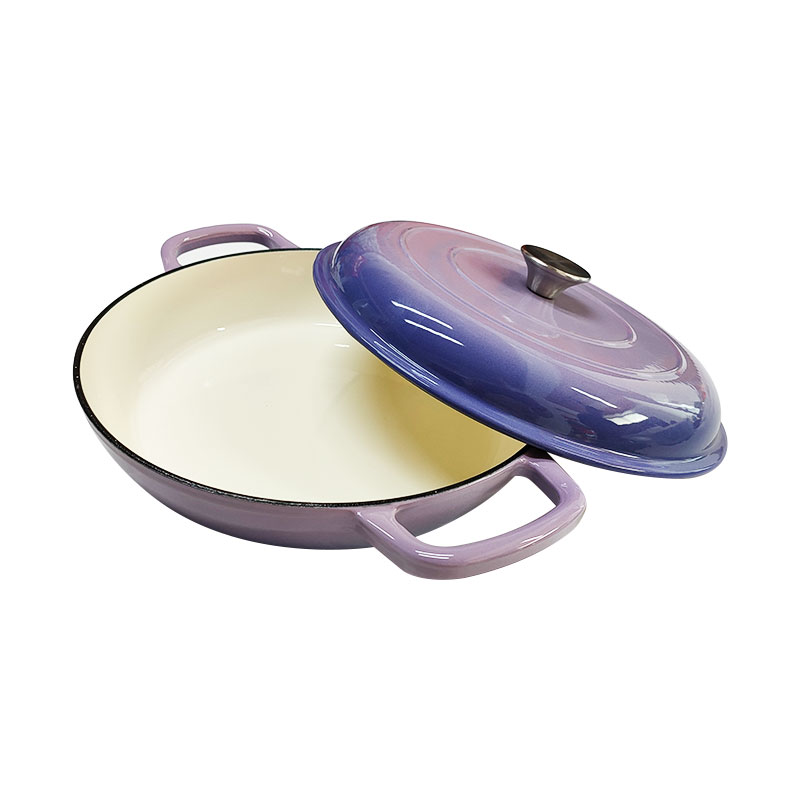
Thermal Mass and Heat Dynamics
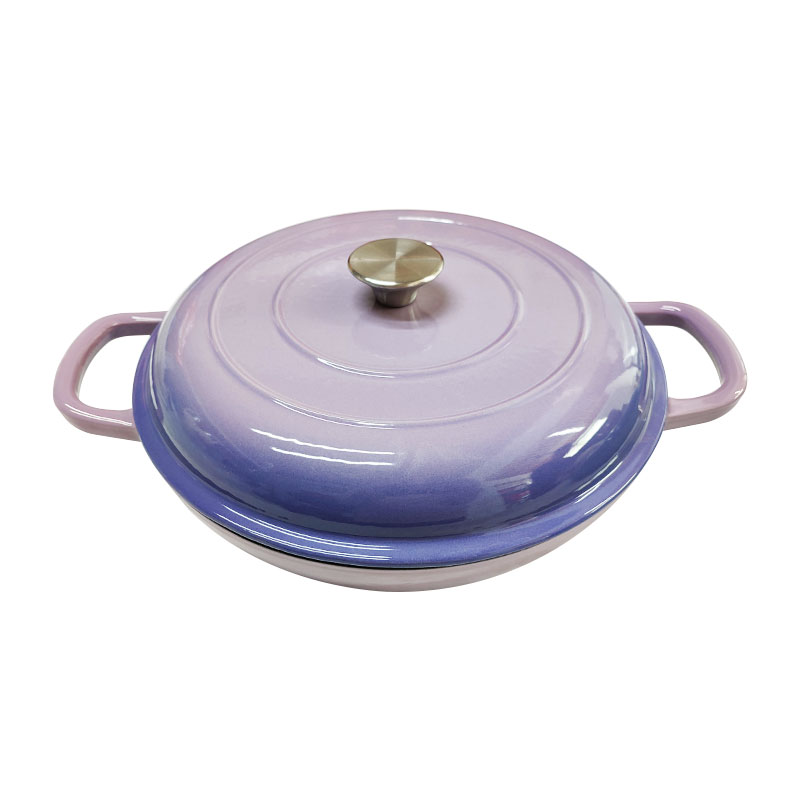
The primary advantage of cast iron over aluminum or stainless steel is its exceptional thermal mass. This refers to the ability of the material to absorb and store a significant amount of heat energy. When cold food—such as a frozen burger patty or a chilled piece of fish—hits the surface, a thinner pan would experience a sharp temperature drop, resulting in steaming rather than searing.
A high-quality griddle utilizes a thickened bottom to "lock" the temperature. This ensures that once the surface reaches the desired heat, it remains stable regardless of the volume of food added. This consistency is what allows for the Maillard reaction to occur uniformly across the entire surface, creating the characteristic browned crust that defines professional cooking.
Engineering the Cooking Surface
The construction of a professional griddle involves more than just pouring molten iron. The cooling rate and the purity of the alloy affect the porosity of the metal. A denser cast results in fewer "hot spots" and a more reliable surface for oil polymerization. Modern manufacturing, such as that employed by Hebei Debien Technology, emphasizes high mechanization and automation to ensure that each piece meets strict thickness specifications.
Versatility is another engineering priority. While traditionally used over open flames, modern cast iron cookware is designed for compatibility across gas, induction, and electric stovetops. This is achieved by ensuring a perfectly flat base that maximizes contact with induction coils, thereby reducing energy waste and increasing heating speed.
Safety and health are integrated into the surface treatment. By utilizing environmentally friendly processes, manufacturers can provide surfaces that are safe for human contact and free from harmful chemicals, bridging the gap between industrial durability and home health standards.
The Science of Seasoning
Unlike PTFE-based non-stick pans, cast iron creates its own non-stick layer through a process called polymerization. When fats are heated to their smoking point, they bond with the iron molecules to create a hard, plastic-like film. This layer not only prevents food from sticking but also protects the metal from oxidation (rust).
The non-stick property of cast iron is cumulative; the more frequently it is used and properly maintained, the more robust the polymer layer becomes, effectively increasing its performance over time.
This organic approach to non-stick cooking is inherently more sustainable. While traditional coatings degrade and peel over time, necessitating the disposal of the cookware, a seasoned griddle can last for generations. The only requirement is a consistent cycle of heating, oiling, and gentle cleaning.
Performance Benchmarks
When comparing various materials for a flat-top cooking surface, we evaluate several key indices: heat retention, distribution uniformity, durability, and the ease of creating a non-stick surface. Cast iron typically scores highest in retention and durability, whereas aluminum excels in initial heating speed but fails to maintain temperature under load.
The following assessment illustrates how different materials perform across these critical operational metrics. These values represent a relative index based on typical metallurgical properties found in professional kitchenware.
Figure 2. Material Performance Index Comparison
Operational Scenarios
In a typical high-volume breakfast setting, a chef may need to cook eggs, bacon, and pancakes simultaneously. A cast iron griddle allows for zone management; because of its mass, different areas of the pan can be maintained at slightly different temperatures if the heat source is adjustable. This means high-sear items can occupy the center while delicate items stay on the periphery.
For home users, the transition from stovetop to oven is a critical advantage. Many recipes require a searing phase followed by a slow roast. The ability of cast iron to withstand oven temperatures without warping or releasing toxic fumes makes it a superior choice for "one-pan" meals, reducing cleanup and preserving flavor.
Evolutions in Cast Iron Design
The industry is moving toward a hybrid approach, combining the strength of iron with the convenience of enamel. Enameled cast iron solves the rust problem and eliminates the need for seasoning, making it ideal for acidic foods like tomato-based sauces. However, for the specific purpose of a griddle, pre-seasoned raw iron remains the standard due to its higher tolerance for extreme searing temperatures.
Furthermore, design improvements focus on ergonomics and heat management. Thicker bases are now paired with optimized handle designs to prevent heat transfer to the user. The integration of CNC machining allows for tighter tolerances, ensuring that griddles sit perfectly flush on induction surfaces, which was a common failure point in older, sand-cast models.
As sustainability becomes a core driver, the shift away from disposable coatings toward lifelong materials is accelerating. The focus is now on "lifetime cookware"—products that are designed to be repaired (re-seasoned) rather than replaced.
Material Selection Framework
Choosing the right griddle requires balancing your specific cooking goals against the limitations of the material. A user who prioritizes speed and light weight may find cast iron cumbersome, while a user who prioritizes crust development and longevity will find aluminum insufficient.
It is also important to consider the heat source. While cast iron works on everything, induction users should specifically look for "induction-ready" flat-bottomed designs to ensure efficiency. Similarly, those cooking over open fires should prioritize raw seasoned iron over enamel, as enamel can crack under extreme, uneven thermal shock.
The following framework provides a side-by-side comparison to assist in making an informed procurement decision based on typical kitchen requirements.
| Evaluation Factor | Cast Iron | Aluminum | Stainless Steel | Carbon Steel |
|---|---|---|---|---|
| Heat Retention | Exceptional | Low | Moderate | High |
| Searing Capability | High | Low | Moderate | High |
| Lifespan | Lifetime | Short-Mid | Long | Lifetime |
| Maintenance | Seasoning Req. | Easy | Very Easy | Seasoning Req. |
| Weight | Heavy | Light | Moderate | Moderate |
| Toxin-Free | Yes (Seasoned) | Depends | Yes | Yes |
Questions & Answers
The primary difference is the geometry. A skillet has high, curved sides designed for sautéing, frying, and liquids. A griddle is a flat-top surface with very low or no sides, designed specifically for foods that require maximum surface contact and easy flipping, such as pancakes, eggs, and grilled sandwiches. While both offer the same thermal benefits, the griddle is specialized for "flat-top" cooking efficiency.
Modern dish soaps are generally mild enough that they will not strip a well-polymerized seasoning layer. The "no soap" rule stems from older soaps that contained lye, which would dissolve the seasoning. However, to be safe, avoid soaking the griddle in soapy water for long periods and always dry it immediately and apply a thin layer of oil to prevent rust.
Sticking usually occurs for two reasons: improper temperature or an underdeveloped seasoning layer. If the pan is too cold, proteins bond to the metal. If it is too hot, the oil may burn off too quickly. Ensure the griddle is preheated slowly and that you are using an oil with a high smoke point. If sticking persists, the griddle may need another cycle of oven-baked seasoning.
Yes, cast iron is naturally ferromagnetic, making it highly compatible with induction. The key is the flatness of the base. Precision-manufactured griddles with a flat bottom ensure maximum contact with the induction surface, allowing for efficient heat transfer. Always lift the pan rather than sliding it to avoid scratching the glass cooktop.
There is no fixed schedule. You should re-season when you notice the surface becoming dull, when food begins to stick more frequently, or if you see any signs of greyish oxidation (early rust). A simple way to maintain it is to rub a teaspoon of oil onto the surface after every use and heat it until it just begins to smoke before turning off the heat.
In terms of heat stability, yes. A thicker base prevents the "temperature dip" that occurs when you add cold food. This leads to a more consistent sear and better browning. However, thicker griddles take longer to preheat. For most professional and serious home applications, the trade-off of a longer preheat time is well worth the superior temperature control provided by a thickened base.
Final Thoughts
The enduring appeal of the cast iron griddle lies in its simplicity and its physics. By prioritizing thermal mass and a natural non-stick surface, it provides a cooking experience that synthetic coatings simply cannot replicate. Whether used in a professional kitchen or a home setting, the ability to maintain extreme, uniform heat is the secret to restaurant-quality searing.
As we move toward more sustainable and health-conscious kitchenware, investing in high-quality, durable ironware is a logical step. When selected based on thickness, surface quality, and compatibility with your heat source, a griddle becomes more than just a tool—it becomes a lifelong asset that improves with every meal prepared.
- Cast Iron Griddle Thermal Performance Analysis
- cast iron campfire grill thermal dynamics and manufacturing specifications
- cast iron grill pan thermal dynamics and performance analysis
- cast iron hibachi grill Thermal Dynamics and Manufacturing Specifications
- Cast Iron Skillet Manufacturers Manufacturing Performance Analysis