Nov Back to list
cast iron bbq grill thermal dynamics and material analysis
Achieving a steakhouse-quality sear without a professional charcoal pit often comes down to a single piece of equipment: the material of the grill surface. While thin aluminum or non-stick pans struggle to maintain the extreme temperatures needed for a Maillard reaction, heavy-duty cast iron provides the thermal mass necessary for a consistent, deep crust.
The challenge for many home cooks is balancing this raw power with usability. Traditional bare iron requires extensive seasoning and meticulous care to prevent rust, leading many to seek alternatives that offer the same heat retention but with reduced maintenance. This shift has driven the evolution of the modern indoor and outdoor grilling surface.
Understanding the physics of heat distribution and the role of surface coatings is essential for anyone looking to invest in a cast iron bbq grill. By analyzing the structural and material differences between various options, users can better determine which tool will deliver consistent results across different proteins.
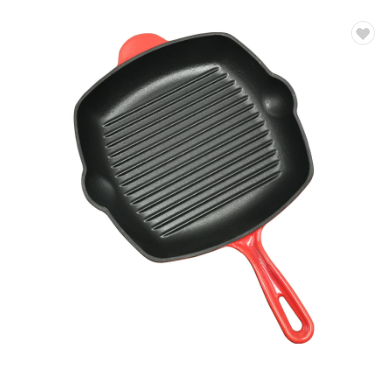
Thermal Dynamics of Cast Iron

Cast iron is prized in the culinary world primarily for its high emissivity and thermal mass. Unlike aluminum, which heats up and cools down rapidly, cast iron absorbs a significant amount of energy and releases it slowly and evenly across the surface. This prevents the "cold spot" phenomenon that occurs when a cold piece of meat is placed on a thin pan, causing the temperature to drop and the meat to steam rather than sear.
In a professional manufacturing context, such as the processes used by Hebei Debien Technology, achieving the correct density and porosity in the iron is critical. A well-cast grill pan ensures that heat is distributed not just across the floor of the pan, but up through the ridges, ensuring that the char marks are a result of intense heat rather than just surface contact.
Design Logic for Searing Surfaces
The geometry of a grill pan is as important as its material. The raised ridges are designed to elevate the food, allowing excess fats to drain away from the protein. This separation is what creates the characteristic grill marks while preventing the food from boiling in its own juices. A square design, for instance, maximizes the usable surface area compared to round pans, allowing for larger cuts of meat or multiple portions to be cooked simultaneously without crowding.
Precision in ridge height and spacing is a key quality indicator. Ridges that are too low fail to create a distinct sear, while those that are too high can lead to uneven heat transfer. The goal is to create a focused contact point that reaches higher temperatures than the surrounding air, effectively mimicking the effect of an open-flame barbecue.
Furthermore, the integration of a drip tray or a sloped bottom allows for easier fat management. This design logic ensures that the cooking process remains healthier and the results remain crisp, as the moisture is efficiently channeled away from the meat's surface during the searing process.
The Role of Vitreous Enamel
While raw cast iron is a powerhouse, its reactivity and maintenance requirements can be a barrier. Vitreous enamel—a glass-like coating fused to the iron at extreme temperatures—solves these issues. Enamel provides a non-porous barrier that prevents the iron from reacting with acidic ingredients, such as balsamic glazes or lemon-based marinades, which would otherwise strip the seasoning from a bare pan.
The primary advantage of enamel is the elimination of the seasoning cycle; it transforms the maintenance from a labor-intensive chemical process of oil polymerization into a simple cleaning routine using mild detergents.
Beyond maintenance, enamel contributes to a more consistent heat distribution across the surface. Because the coating is smooth, it reduces the likelihood of food sticking in the microscopic pores of the iron. This allows for a cleaner release of proteins, making it easier to flip steaks or delicate fish fillets without tearing the crust.
Surface Performance Comparison
Evaluating different grill surfaces requires looking at a balance of heat retention, ease of cleaning, and longevity. While non-stick coatings offer the easiest cleanup, they cannot withstand the high temperatures required for a true sear and typically degrade within a few years. In contrast, enameled cast iron provides a middle ground, offering high-temperature capability with significantly reduced maintenance.
The following analysis compares various common materials based on a relative performance index. Heat retention is the primary driver for steakhouse results, while the maintenance index reflects the effort required to keep the pan in optimal condition.
Figure 2. Material Performance Index
Practical Searing Applications
In a typical residential kitchen, the application of a cast iron grill pan extends beyond just beef steaks. It is exceptionally effective for grilling vegetables like asparagus or bell peppers, where the high heat caramelizes the natural sugars quickly without overcooking the interior. For seafood, such as scallops or salmon, the ridges provide the visual appeal of a grill while the thermal mass ensures the protein doesn't stick to the pan.
The key to success in these scenarios is the preheating phase. A professional-grade cast iron surface must be heated until a drop of water dances across the surface (the Leidenfrost effect). Once this state is reached, the protein should be placed carefully; the heavy iron will maintain this temperature even as the cold meat absorbs the energy, ensuring the sear is immediate and deep.
Evolving Trends in Grillware
The market is seeing a shift toward multipurpose cast iron solutions. Rather than owning a single skillet, users are opting for modular systems that include grill pans, woks, and casseroles that can all be used across various heat sources, including induction and open flame. This versatility is driven by a growing interest in global cooking techniques that require specific heat signatures.
There is also a heightened focus on food safety and certification. Modern manufacturers are now adhering to strict standards such as FDA and LFGB to ensure that coatings and casting materials are free from harmful contaminants. The integration of automatic casting lines and precision CNC machining allows for tighter tolerances and more durable products.
Furthermore, the adoption of "hybrid" cookware is increasing, where the heavy base of cast iron is paired with lighter, more ergonomic handles or specialized enamel finishes. This evolution addresses the primary complaint regarding cast iron—its weight—without sacrificing the thermal performance that makes it essential for grilling.
Selection Framework for Buyers
Choosing the right grill surface requires a trade-off analysis between performance and convenience. For the culinary purist, bare cast iron is the gold standard due to its infinite lifespan and ability to develop a natural non-stick surface over decades. However, for the modern home cook, an enameled version offers a more predictable and accessible experience.
When evaluating options, one should consider the primary heat source. If using a gas range, the distribution of heat is often centered, making a heavy-bottomed pan essential to prevent hot spots. For induction users, ensuring the pan has a flat base and magnetic properties is the first priority.
Ultimately, the decision rests on how much time the user is willing to invest in maintenance versus how much they value the ease of cleanup. The following table provides a comparative framework to assist in this decision-making process.
| Evaluation Factor | Bare Cast Iron | Enameled Iron | Aluminum Grill |
|---|---|---|---|
| Heat Retention | Maximum | High | Low to Medium |
| Maintenance | High (Seasoning) | Low (Soap/Water) | Low |
| Reactivity | High (Reactive) | Non-Reactive | Low |
| Lifespan | Generational | Long-term | Short to Medium |
| Searing Power | Exceptional | Excellent | Moderate |
| Weight | Heavy | Heavy | Light |
Questions & Answers
Cast iron has a much higher thermal mass than stainless steel. While stainless steel can reach high temperatures, it loses that heat almost immediately when a cold piece of meat is added. Cast iron stores more energy, maintaining a stable, high temperature that ensures a consistent sear and better crust formation across the entire surface.
No, enameled cast iron does not require seasoning. The vitreous enamel coating creates a non-porous, glass-like surface that prevents food from sticking and protects the iron from rust. Unlike bare cast iron, which needs layers of polymerized oil, enameled pans can be cleaned with mild detergent and water without the need for re-oiling.
The most effective way to prevent sticking is proper preheating. Heat the pan until it is very hot—usually until oil begins to shimmer or a water droplet dances. For bare iron, ensure it is well-seasoned. For enameled iron, a small amount of high-smoke-point oil (like grapeseed or avocado oil) is sufficient to create a lubricated barrier.
Yes, most cast iron grill pans are compatible with outdoor grills. In fact, placing a cast iron grill pan on top of outdoor burners can provide a more concentrated heat source for searing. However, ensure the handle is heat-resistant and use oven mitts, as the entire pan will reach extremely high temperatures.
Square pans generally offer more usable cooking area and are better for fitting larger rectangular cuts of meat or multiple steaks side-by-side. Round pans are often more compatible with circular stove burners and may distribute heat more symmetrically, but for overall capacity and efficiency, square designs are typically preferred.
For most residue, a soft sponge and mild dish soap are sufficient. For stubborn, burnt-on food, deglaze the pan by adding a small amount of water while it is still warm, or use a baking soda paste. Avoid metal scrapers or abrasive steel wool, as these can scratch the enamel surface over time.
Final Thoughts
The transition from basic cookware to professional-grade cast iron represents a commitment to culinary precision. By leveraging the thermal properties of iron and the convenience of modern enamel coatings, home cooks can replicate the intense searing capabilities of high-end steakhouses.
Whether selecting a traditional seasoned pan or a modern enameled version, the key remains the same: prioritizing thermal mass and surface geometry to ensure that heat is transferred efficiently to the food. Investing in quality manufacturing and proper technique is the only guaranteed way to achieve the perfect char.