Nov Back to list
cast iron dutch oven Thermal Physics and Manufacturing Specifications
Achieving the perfect braise or a crusty artisan loaf often comes down to a single piece of equipment: the thermal mass of a heavy-duty pot. While modern kitchens are filled with non-stick coatings and rapid-heating elements, the physics of slow-cooking remains unchanged, favoring materials that can hold and radiate heat steadily over several hours.
The shift toward sustainable, long-term cookware has revitalized interest in traditional materials, specifically those that bridge the gap between stovetop searing and oven roasting. This intersection of durability and thermal efficiency is where high-quality cast iron becomes indispensable for both professional chefs and home enthusiasts.
Understanding the nuances of heat distribution and surface protection is key to selecting the right tool. By examining the technical advantages of a cast iron dutch oven, we can identify why this specific design remains the gold standard for low-and-slow culinary techniques.
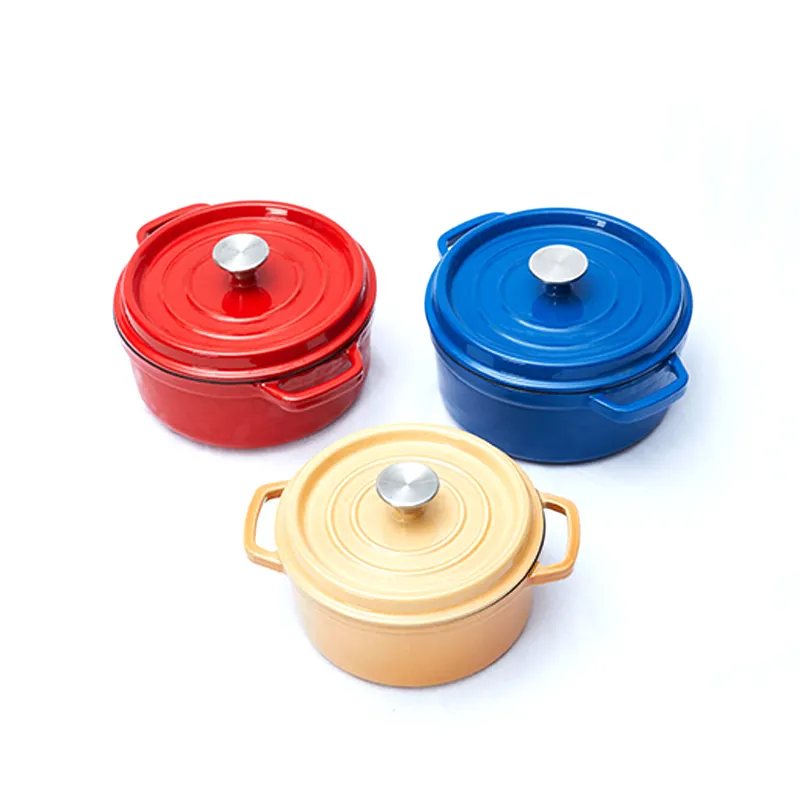
The Thermal Physics of Cast Iron
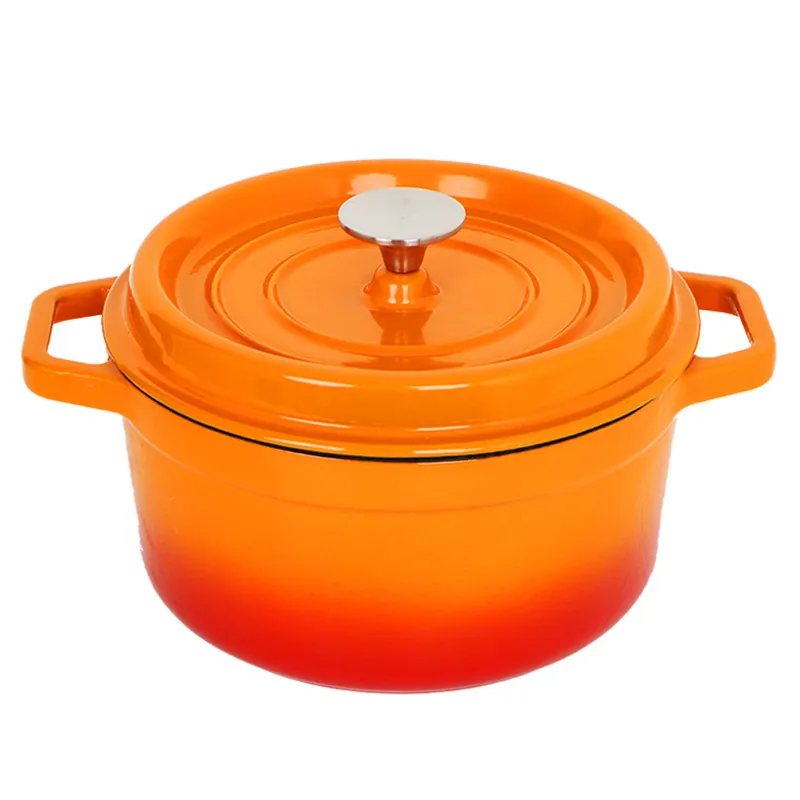
Cast iron is prized not for its conductivity—which is actually lower than copper or aluminum—but for its thermal mass. The thick walls absorb a significant amount of energy and release it slowly and evenly. This prevents the rapid temperature fluctuations often seen in thinner pans, ensuring that the food is not subjected to "hot spots" that cause uneven searing or burning.
In the context of a Dutch oven, this stability is critical for braising. Once the vessel reaches the desired temperature, it acts as a heat reservoir, maintaining a consistent environment that allows collagen in tough cuts of meat to break down into gelatin without the liquid boiling away too aggressively.
Structural Design and Material Logic
The architecture of a professional casserole or Dutch oven is centered on moisture retention. A tight-fitting lid is not merely a cover but a functional component of the cooking process. By creating a nearly airtight seal, the lid traps steam, which then condenses on the underside and drips back into the food. This self-basting cycle is what keeps meats succulent during long oven durations.
From a manufacturing perspective, the balance between wall thickness and weight is a primary engineering challenge. Too thin, and the heat distribution becomes uneven; too thick, and the vessel becomes impractical for daily handling. Precision casting ensures that the base is perfectly flat for stovetop contact while the sides maintain the necessary volume for convection.
Modern design styles have evolved from purely traditional forms to include minimalist and contemporary aesthetics. However, the core geometry remains round to optimize the flow of heat and the efficient use of burner space, supporting a wide range of sizes from 20cm for side dishes to 28cm for family-sized meals.
The Role of Vitreous Enamel Coating
Traditional seasoned cast iron requires a meticulous process of oiling and curing to prevent oxidation. The introduction of vitreous enamel—a glass-like coating fused to the metal at extreme temperatures—fundamentally changes the maintenance profile and culinary utility of the cookware.
Enamel coating transforms cast iron into a non-reactive surface, eliminating the metallic taste transfer and allowing for the safe cooking of acidic ingredients like tomato sauces and wine-based reductions without eroding the pot's surface.
Beyond chemical neutrality, the enamel layer provides a physical barrier against rust. This allows the cookware to be air-dried and cleaned with standard detergents without the risk of oxidation. The combination of the iron's thermal mass and the enamel's protective properties results in a tool that can last for decades with minimal upkeep.
Evaluating Cooking Performance Indices
When comparing cookware materials, the "Value Index" is often determined by a combination of heat retention, ease of maintenance, and versatility. While stainless steel excels in reactivity and aluminum in speed, enamel cast iron dominates in long-term temperature stability.
The following analysis illustrates the relative strengths of different materials across key performance metrics. Thermal inertia is the primary driver for slow-cooking success, where cast iron outperforms all other common kitchen metals.
Figure 2. Material Performance Comparison Index
Operational Scenarios and Versatility
The true utility of an enamel Dutch oven lies in its ability to transition seamlessly between different heat sources. A typical professional workflow begins with a high-heat sear on the stovetop to trigger the Maillard reaction in meats, developing a deep flavor profile. Once the sear is complete, the entire vessel—including the lid—is transferred directly into the oven.
This versatility extends beyond the kitchen. Because of its rugged construction and sustainable nature, such cookware is frequently utilized in outdoor camping or travel settings where a single pot must function as a fryer, a soup pot, and an oven. Whether it is used for a traditional beef bourguignon or a modern sourdough bread, the ability to handle extreme temperature shifts without cracking is a critical operational advantage.
Evolving Standards in Cookware Manufacturing
Manufacturing has shifted toward higher levels of automation to ensure consistency in wall thickness and enamel adhesion. The use of advanced molding lines and precision smelting allows for a more uniform grain structure in the iron, which reduces the likelihood of warping under high heat.
Companies like HEBEI DEBIEN TECHNOLOGY CO., LTD. have integrated CNC machining and automatic vertical parting-type molding to meet international safety standards such as FDA and LFGB. This industrial precision ensures that every piece, from the smallest mini pot to the largest stock pot, adheres to strict quality tolerances.
The current direction of the industry is focusing on "sustainable luxury"—creating products that are designed to last a lifetime rather than be replaced every few years. This involves exploring more eco-friendly enamel compositions and improving the energy efficiency of the smelting process.
Comparative Selection Framework
Selecting the right vessel requires balancing the intended application with the physical properties of the pot. For those focusing on high-volume simmering, a larger stock pot is essential, whereas a multipurpose pot serves those who prefer versatility across different recipes.
A common mistake among buyers is ignoring the lid's fit and the enamel's quality. A poor seal leads to excessive moisture loss, defeating the purpose of a Dutch oven. Furthermore, the internal enamel should be smooth and glass-like to prevent food adhesion.
The following framework provides a relative suitability guide based on common culinary requirements, helping users choose between different cast iron configurations.
| Requirement | Dutch Oven/Casserole | Cast Iron Skillet | Cast Iron Wok |
|---|---|---|---|
| Slow Braising | Optimal | Poor | Moderate |
| High-Heat Searing | Good | Optimal | Optimal |
| Moisture Control | Maximum | None | Low |
| Oven Transition | Seamless | Seamless | Limited |
| Acidic Ingredients | Enamel Required | Avoid | Avoid |
| Maintenance Level | Low (Enamel) | High (Seasoning) | High (Seasoning) |
Questions & Answers
The primary difference lies in the material and the lid. A Dutch oven is typically made of thick cast iron, providing immense thermal mass for heat retention, and features a heavy, tight-fitting lid. This combination allows it to maintain a constant temperature and trap steam, making it far superior for braising and slow-cooking compared to thin-walled stainless steel or aluminum pots.
It depends on the usage. Raw cast iron is excellent for high-heat searing and is naturally non-stick once seasoned, but it can rust and reacts with acidic foods. Enamel cast iron eliminates the need for seasoning, prevents rust entirely, and is non-reactive, meaning you can cook tomato sauces or wine-based dishes without affecting the flavor or the pot's surface.
A 20cm to 22cm pot is ideal for sides, small batches of soup, or couples. A 24cm to 26cm vessel is the most versatile "all-rounder" for average families. For large gatherings or batch cooking, a 28cm or larger pot is recommended. Consider the size of your burner to ensure the base of the pot makes sufficient contact for even heating.
Yes, cast iron is naturally ferromagnetic, making it highly compatible with induction cooktops. The flat bottom of a quality cast iron vessel ensures an efficient energy transfer from the induction coil to the cookware, providing fast and stable heating across the entire base.
Avoid using metal scrubbers or abrasive cleaners which can scratch the vitreous enamel. Instead, use a soft sponge or nylon brush with warm soapy water. For stubborn food residue, soak the pot in warm water or simmer a small amount of water and baking soda on the stove to loosen the debris before wiping it clean.
Sticking usually occurs because the pot was not preheated sufficiently or too little fat was used. Unlike non-stick pans, enamel cast iron requires a bit of oil or butter and a gradual heat-up period. Ensure the oil is shimmering before adding proteins to create a proper release layer between the food and the enamel.
Final Thoughts
The enduring relevance of the cast iron Dutch oven is a testament to the fact that certain physical properties—thermal mass and moisture retention—cannot be replicated by synthetic materials. By combining the raw power of iron with the practical protection of enamel, these vessels offer a professional-grade solution for anyone seeking to master the art of slow cooking.
Ultimately, investing in a high-quality vessel is a commitment to sustainable cooking. As manufacturing continues to refine the balance of weight, heat distribution, and aesthetic design, the Dutch oven remains an essential bridge between traditional culinary wisdom and the modern kitchen's demand for efficiency.
- cast iron dutch oven Thermal Physics and Manufacturing Specifications
- cast iron bbq grill thermal dynamics and material analysis
- Cast Iron Dutch Oven Manufacturers Performance Analysis
- Cast Iron Griddle Thermal Performance Analysis
- cast iron campfire grill thermal dynamics and manufacturing specifications